
Mealy stonecrop
Sedum farinosum
Description
Growing requirements
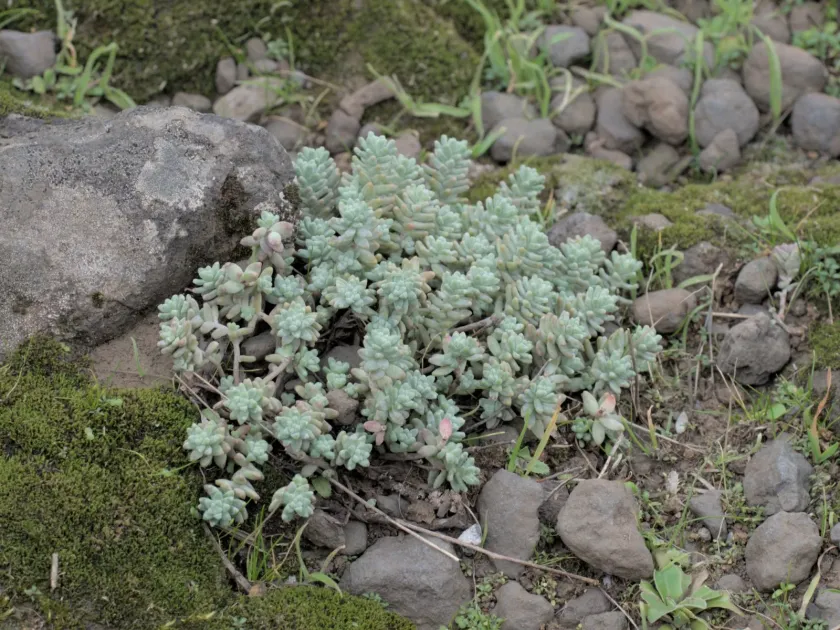
Sedum farinosum, commonly known as mealy stonecrop, is a member of the Crassulaceae family. It is a distinctive succulent known for its mealy, glaucous coating on the leaves, which provides an evolutionary advantage by reflecting intense sunlight and minimizing water loss in arid environments.
Native to rocky Mediterranean habitats, this plant requires soil with excellent drainage. It thrives in poor, gritty soils where water can move through the root zone quickly. Heavy, clay-based soils that retain moisture will inevitably lead to root rot and failure of the specimen.
Light intensity is the most critical factor for maintaining the aesthetic and biological integrity of the plant. Sedum farinosum requires full sun exposure for several hours a day to prevent etiolation and to maintain the dense, succulent structure that defines this species.
Temperature requirements are generally focused on avoiding extreme cold combined with high humidity. While it is hardy in many climates, it requires protection from excessive winter moisture, which can cause the leaves to burst or the roots to succumb to fungal attacks.
The primary horticultural use of this plant is in rock gardens, scree beds, and as a component in green roof systems. Because of its drought tolerance, it is a low-maintenance choice for areas with limited water availability, provided the soil drainage is correctly managed.
Main diseases and pests
Fungal pathogens, particularly Pythium and Rhizoctonia, are the primary threats to Sedum farinosum. These infections are typically encouraged by poor air circulation and excessive moisture levels, especially around the base of the plant where leaves contact the soil.
Pests such as mealybugs represent a significant challenge because they often blend into the natural white farinose coating of the leaves. Regular monitoring with a magnifying glass is essential to detect early infestations before they spread across the entire colony.
Spider mites can also be a nuisance during periods of extreme heat and low humidity. They weaken the plant by feeding on the sap, causing the foliage to lose its vibrant color and eventually shrivel if not addressed with appropriate treatments.
Slugs and snails present a seasonal threat, particularly after rainy spells. They prefer the tender, moisture-rich leaves of the stonecrop, and their feeding patterns often create entry points for opportunistic bacterial infections that cause rot.
Integrated pest management, including the use of physical barriers and proper hygiene, is the most effective approach. Chemical controls should be used cautiously, as the waxy, mealy surface of the plant can be sensitive to oil-based pesticides and sprays.