
Sedum eriocarpum
Sedum eriocarpum
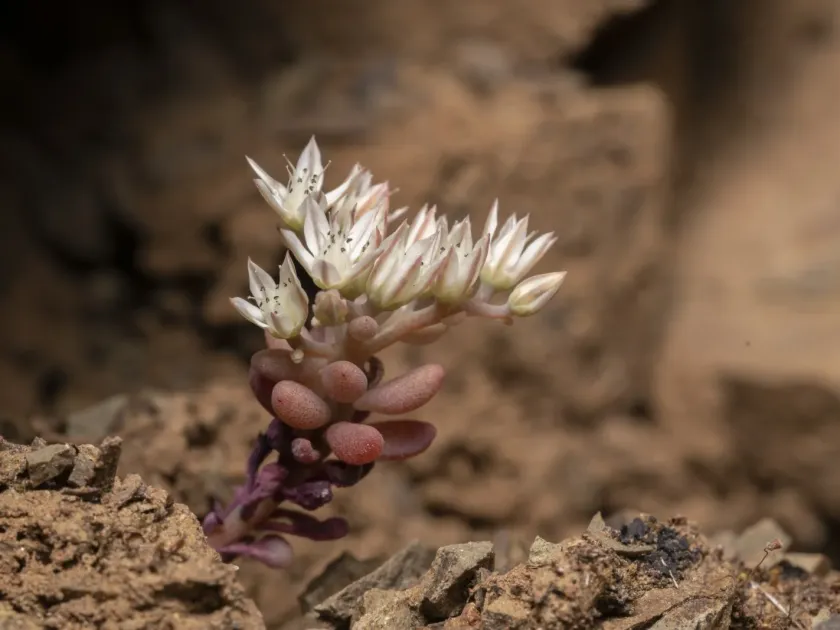
Description
Growing requirements
Sedum eriocarpum is a succulent plant belonging to the Crassulaceae family, known for its resilience and ability to thrive in challenging environments. It is a distinctive member of the sedum genus, recognized for its woolly or hairy-textured appearance.
The native range of this species extends across the Mediterranean basin, where it grows naturally in rocky crevices and poor soils. Its evolutionary history has perfectly adapted the plant to hot summers and mild, wet winters, making it highly drought-tolerant once established.
Botanically, it forms low-growing rosettes of fleshy leaves that are essential for water storage. The plant's ability to survive with minimal irrigation makes it a preferred choice for sustainable landscaping and low-maintenance garden projects in arid regions.
Regarding soil requirements, Sedum eriocarpum demands excellent drainage. It thrives in gravelly or sandy substrates that mimic its natural habitat. It performs best in full sun exposure, which ensures the plant remains compact and maintains its characteristic foliage density.
In terms of хозяйственное использование, this species is widely utilized in rock gardens and as a ground cover to prevent soil erosion. Due to its hardiness and aesthetic appeal, it is also frequently used in xeriscaping, significantly reducing water consumption in landscape design.
Main diseases and pests
The primary threat to the health of Sedum eriocarpum is excessive moisture, which leads to root rot and fungal infections. Ensuring that the soil does not stay waterlogged is the most crucial aspect of its care, especially during the dormant season.
Mealybugs are the most common insect pests that affect this species, often hiding in the crevices between leaves. Regular monitoring and, if necessary, the application of insecticidal soaps can control these pests before they spread throughout the colony.
Spider mites can also become a problem in very dry and stagnant air conditions. Affected plants show signs of stippling and webbing, which necessitates increased airflow and potential treatment with appropriate acaricides to restore plant vigor.
Gastropods, such as slugs and snails, can damage the succulent foliage during rainy periods. Implementing barrier methods, such as coarse sand or stone mulch around the base, effectively prevents these pests from reaching the succulent rosettes.
Effective management against diseases includes selecting sites with optimal drainage and providing adequate space for air circulation between plants. Avoiding overhead watering during cooler periods further prevents the onset of fungal leaf spots and stem rot.