
Cretan stonecrop
Sedum creticum
Description
Growing requirements
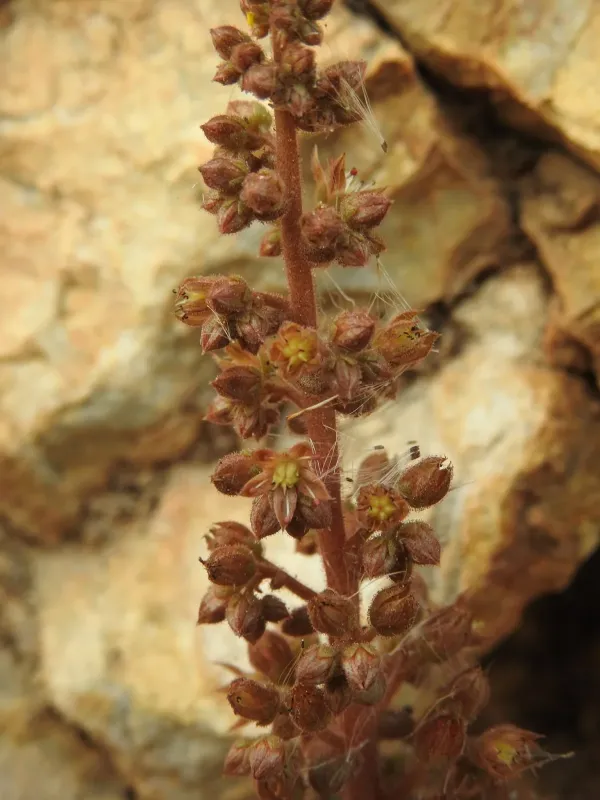
Cretan stonecrop (Sedum creticum) is a low-growing succulent plant belonging to the Crassulaceae family. Native to the Mediterranean region, particularly the island of Crete, this species has evolved to thrive in harsh, rocky environments where nutrient availability is limited.
The plant is biologically characterized by its fleshy, moisture-storing leaves, which serve as a critical adaptation to intense heat and prolonged drought. Its growth habit involves the formation of dense, spreading mats, which play an important role in soil stabilization and erosion control in arid climates.
Agricultural requirements for Sedum creticum focus on well-draining soil conditions. It is essential to plant this crop in substrates with a high percentage of sand, grit, or rocky material. Poor drainage is the primary cause of failure, as stagnant water rapidly leads to root system degradation.
High light intensity is a fundamental requirement for the development of healthy Cretan stonecrop. The plant requires full sun exposure to maintain its compact structure and succulent character; in shaded environments, it tends to etiolate and becomes significantly more vulnerable to pathogens.
In terms of economic use, Sedum creticum is primarily utilized as a ground cover in landscaping, particularly for green roofs and reclamation projects on abandoned land. Its ability to survive on marginal soil makes it an efficient tool for sustainable green infrastructure.
Main diseases and pests
Cretan stonecrop is inherently resilient to many agricultural threats, though its susceptibility increases significantly under improper management practices. The most critical threat to the crop's health is root rot, typically caused by excess soil moisture and poor drainage.
Fungal pathogens such as Pythium and Phytophthora represent the most frequent risks. When the soil remains waterlogged for extended periods, these organisms attack the roots, causing the plant to lose turgor and collapse rapidly. Preventive measures include strictly controlling irrigation schedules.
Pest pressure from aphids and mealybugs can occur, especially during the spring growth phase. These insects target tender new shoots, potentially leading to stunted growth. Monitoring is essential, and targeted chemical intervention should only be applied if economic thresholds are exceeded.
Weed competition is a significant threat during the establishment phase of the crop. Because Sedum creticum has a relatively slow initial growth rate, it may be outcompeted by aggressive weeds. Hand weeding or the use of inorganic mulches like gravel is highly recommended.
Effective management against threats relies on maintaining a dry, well-aerated environment for the plants. By avoiding high-nitrogen fertilizers and excessive watering, growers can minimize the risk of both pest outbreaks and the spread of fungal diseases within the crop plantation.