
Sedum commixtum
Sedum commixtum
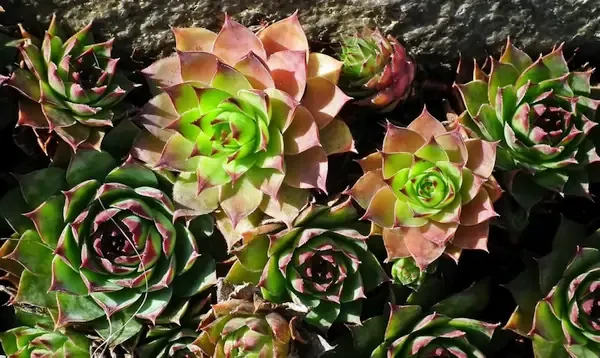
Description
Sowing dates
Propagation is most efficiently achieved through cuttings taken during the spring or early summer, which root readily in well-drained media under warm conditions.
Seed sowing is conducted in shallow trays using a fine, sterile substrate, ensuring that seeds are surface-sown to receive enough light for germination.
Field establishment is best performed after the last frost date, allowing the plants to acclimate and establish their root systems before the onset of winter.
Proper spacing between plants is crucial for air circulation, which prevents the build-up of humidity and reduces the risk of fungal infections in the planting area.
Post-planting care involves minimal irrigation and routine weeding, as Sedum commixtum can eventually outcompete many annual weeds once it has fully established.
Growing requirements
Sedum commixtum is a resilient succulent species belonging to the Crassulaceae family, highly valued for its ability to thrive in challenging environmental conditions.
Originating from mountain habitats, this plant is naturally adapted to rocky terrains and requires a well-draining substrate to prevent moisture accumulation near the crown.
The culture thrives under full sun exposure, which is essential for maintaining its dense, compact growth habit and vibrant leaf pigmentation throughout the season.
Soil requirements are modest, favoring gritty, sandy, or rocky mixes that replicate the plant's native conditions and provide the necessary aeration for root health.
As a highly drought-tolerant species, Sedum commixtum can endure long periods without rainfall, utilizing its fleshy leaves as effective water storage reservoirs.
Main diseases and pests
Fungal issues, primarily root and crown rot, represent the most significant threat to this species, usually caused by poor drainage or excessive humidity in the environment.
Pest pressure is generally low, although certain environmental conditions can attract specific insects that may affect the plant's visual appeal or vitality.
- Slugs and snails in damp, cool environments.
- Aphid infestations on tender new shoots.
- Root rot caused by stagnant water in heavy soils.
Integrated pest management should focus on maintaining a healthy, well-ventilated planting site to minimize the necessity for chemical interventions.
Early detection and the removal of affected plant parts are effective strategies for managing occasional outbreaks of pathogens and maintaining a healthy crop stand.