
Sedum caespitosum
Sedum caespitosum
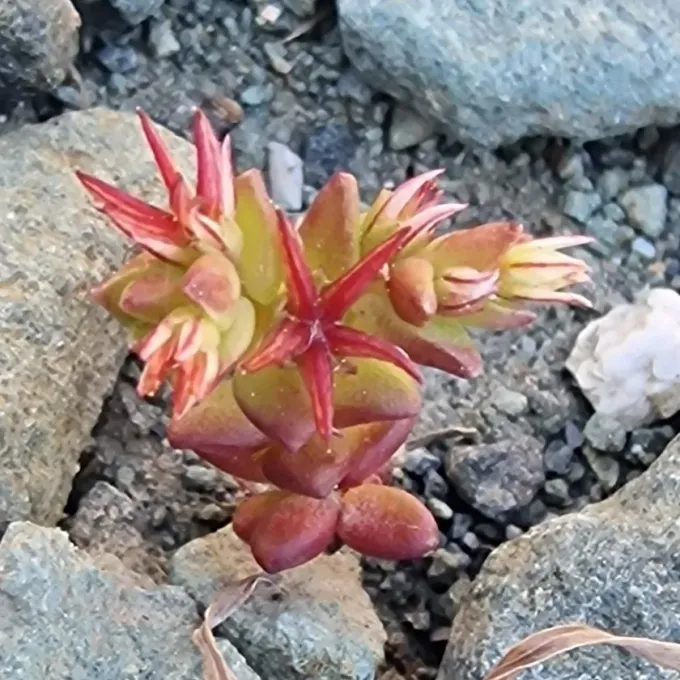
Description
Sowing dates
Sedum caespitosum is an annual herbaceous plant belonging to the Crassulaceae family. Its life cycle is closely synchronized with seasonal patterns, making spring the optimal time for sowing in temperate climates, once the soil has warmed up to stable positive temperatures.
The seeds of this plant are extremely small, which dictates specific sowing practices. They should not be buried deep in the soil; instead, they should be evenly distributed over the surface of a prepared substrate and lightly pressed to ensure proper contact for successful germination.
Choosing a location with excellent sunlight exposure is a critical factor for successful cultivation. Sedum caespitosum is highly sensitive to light deficiency, which causes seedlings to stretch and lose their characteristic dense, compact structure.
In its natural habitat, the plant propagates primarily through seeds, which sprout en masse after spring rains. When cultivated, it is important to maintain moderate substrate moisture during the initial germination phase, avoiding waterlogging, which can be fatal to young sprouts.
Sowing times can vary depending on the region. In southern areas, late autumn sowing may be possible, but in most temperate regions, spring sowing is preferred to prevent the loss of delicate seedlings due to unexpected late frost events.
Growing requirements
Sedum caespitosum has specific soil requirements. This plant prefers poor, rocky, or sandy substrates with excellent drainage characteristics, as water stagnation in the root zone is extremely detrimental to its health.
The species is highly light-demanding. It is perfectly suited for open areas where other plants might suffer from heat or desiccation, as its biological adaptation mechanisms are optimized for survival in harsh, arid, and sunny environments.
The soil pH should be neutral to slightly alkaline for optimal growth. Heavy clay soils are generally unsuitable for this crop, as they tend to hold excess water, which promotes root rot and leads to premature death of the plant mats.
The plant possesses high drought resistance due to its succulent nature. Its leaves are capable of storing water, allowing the plant to survive prolonged periods of drought without losing its vitality or biological activity.
Agronomic maintenance requires minimal intervention. The plant does not need frequent fertilization, as an excess of nitrogenous fertilizers induces excessive vegetative growth at the expense of mat density and reduces the overall vigor of the crop.
Main diseases and pests
Excessive humidity in the air or soil poses the greatest threat to Sedum caespitosum. Fungal diseases, such as fusarium or various types of crown rot, develop rapidly when there is poor ventilation on the site and excess soil moisture.
Among pests, aphids are the most frequently observed threat, as they can damage young succulent shoots and inflorescences. In highly humid conditions, slug damage may also occur, as they feed on the succulent parts of the plant.
Disease prevention consists of strict irrigation control and ensuring quality drainage. Plantings should not be overcrowded, as free air circulation is the best natural defense against the spread of pathogenic fungi.
In case of pest infestation, the use of systemic insecticides is recommended, but application should be done with extreme caution, as succulent species can be sensitive to certain chemical compounds found in various treatments.
It is also important to regularly remove weeds around the Sedum mats, as weeds create unnecessary shade and retain moisture in the root zone, creating favorable conditions for both pest proliferation and fungal disease development.