
Bulbiferous stonecrop
Sedum bulbiferum
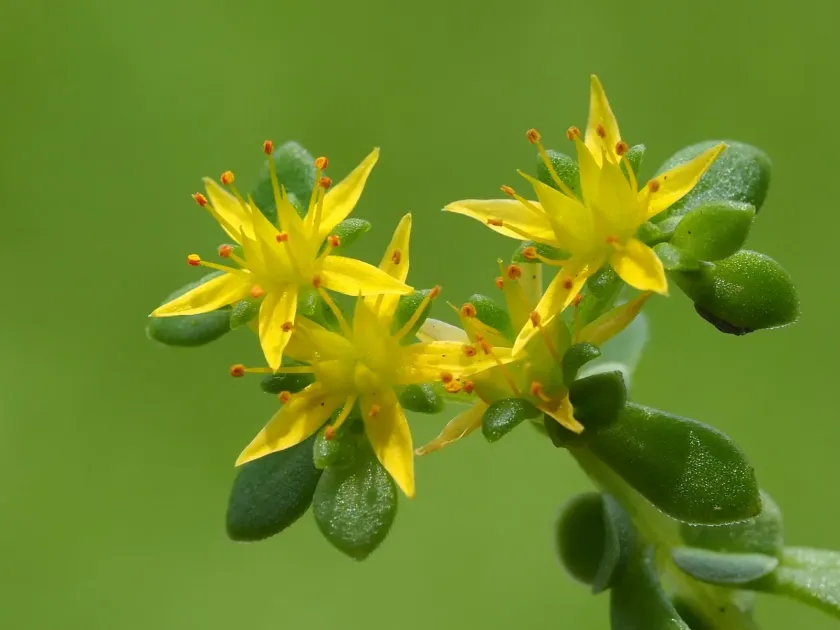
Description
Growing requirements
The bulbiferous stonecrop (Sedum bulbiferum) is a fascinating herbaceous perennial species within the Crassulaceae family. It is native to Eastern Asia, primarily found in China, Japan, and the Korean Peninsula, often inhabiting rocky slopes and mountain crevices.
In terms of soil requirements, this crop demands excellent drainage to thrive. It performs best in sandy or gravelly loam where water does not linger, as the roots are highly susceptible to moisture-related decay.
Regarding light, the plant is quite versatile, though full sun exposure encourages the development of its distinct foliage and efficient bulb-based reproduction. Shade tends to make the plants leggy and less resilient to environmental stressors.
The species is well-adapted to temperate climates, showing significant hardiness against fluctuating temperatures. During the active growth phase, it requires consistent but minimal irrigation to maintain metabolic functions without saturating the substrate.
Commercially and in horticulture, it is valued for its unique vegetative reproduction mechanism and its ability to cover bare ground rapidly in rock gardens or green roof systems.
Main diseases and pests
The primary threats to Sedum bulbiferum are fungal infections, particularly those induced by excessive atmospheric or soil moisture, such as root and stem rot.
Poor ventilation within the plant canopy often leads to the development of powdery mildew, which can significantly damage the succulent tissues if left untreated.
Insect pests including mealybugs and aphids are known to feed on the tender bulbils and shoots, potentially vectoring secondary bacterial infections into the plant.
Preventative measures involve maintaining a clean growing area, removing dead plant matter, and ensuring proper airflow between individual succulent clusters.
Integrated pest management strategies should favor biological controls or targeted, soft-acting insecticides that do not interfere with the succulent's physiological water retention processes.