
Short-leaved stonecrop
Sedum brevifolium
Description
Sowing dates
Sedum brevifolium, belonging to the Crassulaceae family, is a miniature succulent species often used in rock gardens and containers. Propagation is typically achieved through stem cuttings or division of existing mats.
The ideal time for propagation is late spring or early summer when the plant enters its active growth phase. Cuttings should be placed in a gritty, well-draining substrate to encourage rapid root development.
When propagating by seed, sowing should be done in early spring in a sterile seed-starting mix. The seeds are very small and should not be covered deeply; pressing them gently into the surface is sufficient.
Maintaining a steady temperature of approximately 20 degrees Celsius is beneficial for germination. Once the seedlings appear, provide ample light to prevent the plants from becoming leggy and weak.
Transplanting into the permanent garden site should occur only after the risk of frost has passed. Ensure the planting site mimics the plant's natural rocky habitat for better establishment.
Growing requirements
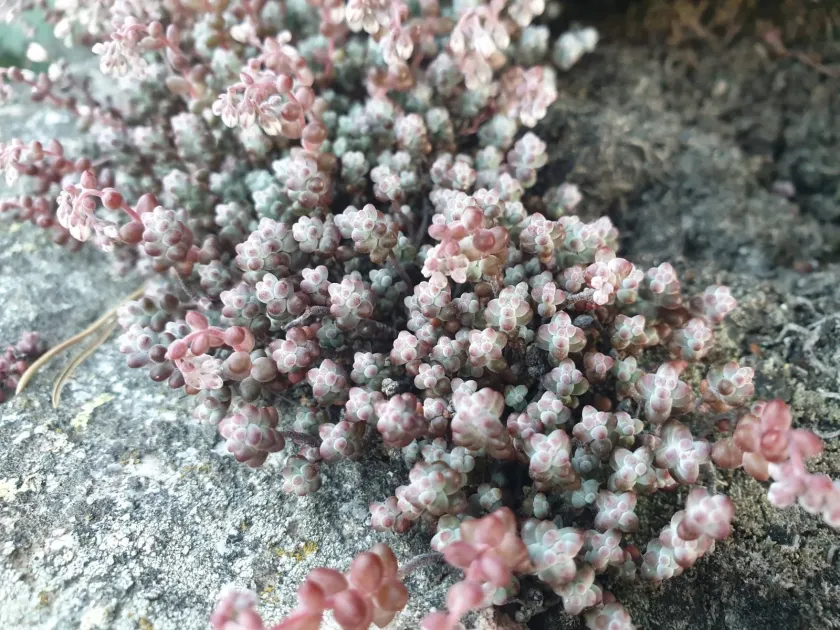
This species is highly drought-tolerant and thrives in conditions that would be unsuitable for many other plants. It requires full sun to maintain its compact, dense growth habit and typical pale green color.
Soil structure is of paramount importance; the medium must be highly porous and inorganic. A mixture of soil, coarse sand, and grit is ideal to ensure that water drains away from the crown of the plant.
Watering should be performed only when the soil is completely dry. In containers, pots must have large drainage holes, and the substrate should not be allowed to remain soggy for extended periods.
The plant is relatively hardy but does not tolerate winter waterlogging. Providing a top dressing of gravel around the base of the plant prevents the foliage from touching moist soil and limits rot.
Fertilization should be kept to an absolute minimum. Excessive nutrients lead to rapid growth that is susceptible to pests and disease, undermining the plant's natural, compact aesthetic.
Main diseases and pests
Root rot is the most significant threat to Sedum brevifolium, caused almost exclusively by excessive moisture in the root zone or high humidity levels coupled with poor air circulation.
Mealybugs are the most common insect pest. They often hide between the tight, crowded leaves, making them difficult to detect until an infestation is well underway. Systemic insecticides are generally effective.
Slugs and snails can be problematic, especially in damp spring weather, as they feed on the succulent leaves. Monitoring the garden during the night or early morning is recommended to control these pests.
Fungal pathogens can occasionally cause leaf spots if the plants are kept in stagnant air conditions. Regular thinning and ensuring proper spacing between plants can help maintain a healthy microclimate.
Proper weed control is essential for the health of these succulents. Competitive weeds can shade out the plants and prevent them from receiving the direct sunlight they require for survival.