
Dark stonecrop
Sedum atratum
Description
Growing requirements
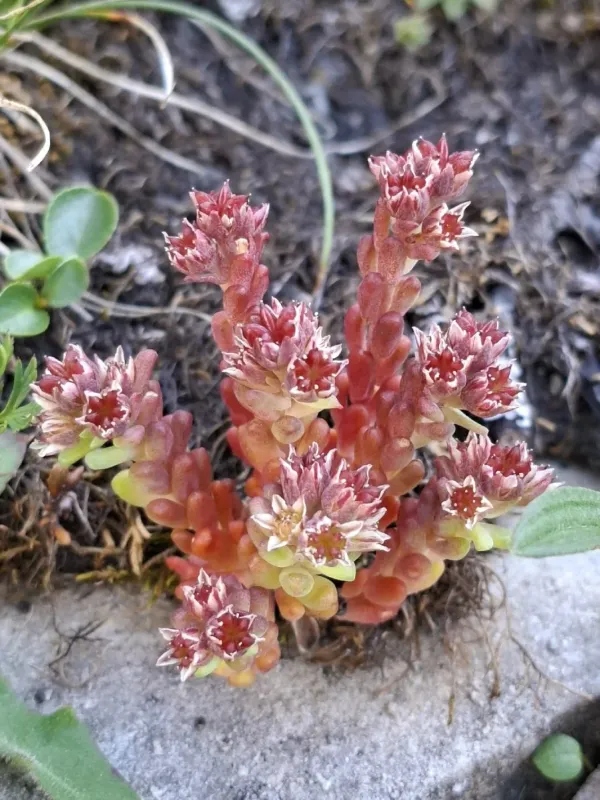
Dark stonecrop (Sedum atratum) is a low-growing annual herbaceous plant belonging to the Crassulaceae family. In its natural habitat, this species is found primarily in the subalpine and alpine zones of the mountains of Central and Southern Europe.
The crop prefers rocky slopes, limestone screes, and areas with poor but well-drained substrate. The plant is characterized by high tolerance to nutrient deficiency and extreme temperature fluctuations typical of high-altitude environments.
For successful cultivation, sunny, open sites with minimal moisture levels are required. Stagnant water is detrimental to this species, so sandy or gravelly soils with a neutral to slightly alkaline reaction are preferred.
Under cultivation conditions, the plant requires minimal maintenance, limited to weeding during early development stages. Stonecrop tolerates direct sunlight well and does not require intensive mineral fertilization.
The ornamental potential of the species lies in its use for rock gardens, scree beds, and green roof projects. Due to its compact size and self-seeding ability, the plant easily forms a dense mat that suppresses weed growth.
Main diseases and pests
Excessive moisture poses the primary threat to the crop, as it triggers root and stem rot. In conditions of high air humidity, the plant becomes susceptible to fungal infections.
Pests rarely cause significant damage to the crop, although aphid or spider mite infestations may occur in certain seasons. For protection, it is recommended to maintain proper watering regimes and ensure adequate air circulation.
Improperly selected soil substrates with high peat or organic content can lead to seedling damping-off. It is recommended to use inert additives in the soil mix.
Competition from aggressive weeds is a factor that reduces the vitality of the stonecrop. Timely weeding is necessary during the plant's active growth period.
Disease prevention consists of maintaining a dry environment and controlling light exposure. Fungicide application is rarely required and should only be used in case of confirmed fungal infection.