
Annual stonecrop
Sedum annuum
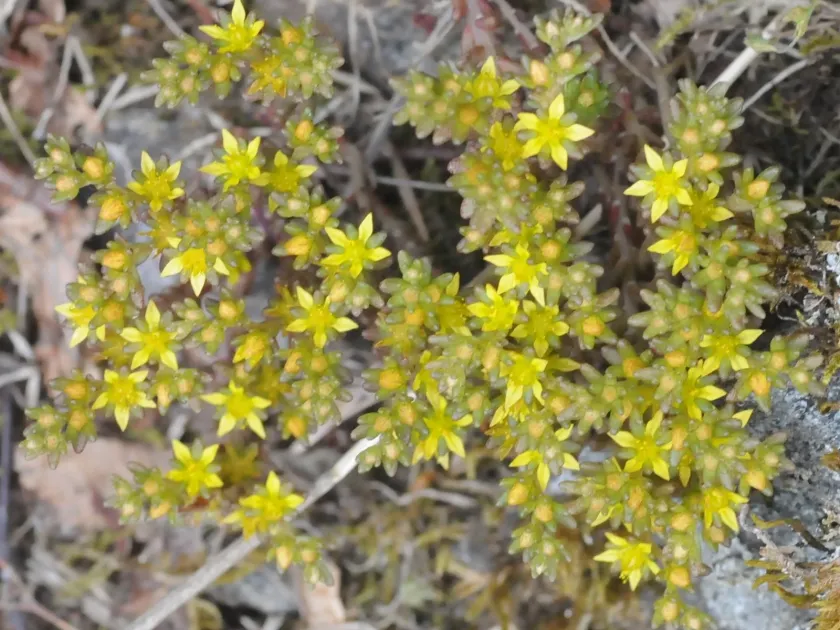
Description
Sowing dates
Annual stonecrop (Sedum annuum) is a succulent member of the Crassulaceae family, known for its ability to thrive in harsh environments where other plants struggle to survive.
The sowing process begins in early spring. Due to the extremely small size of the seeds, they should be surface-sown on a well-prepared seedbed and barely covered with a fine layer of sand or substrate.
Light is essential for the germination of Sedum annuum seeds. Therefore, they should be placed in a bright location but shielded from direct, scorching midday sun during the initial sprouting phase.
Maintaining consistent surface moisture is critical during the first two weeks. Using a fine mist sprayer helps keep the soil surface damp without washing away the delicate seeds.
After emergence, the seedlings develop at a moderate pace, forming a rosette of fleshy leaves before producing upright, flower-bearing stems.
##requirements##This species thrives in lean, well-draining soils. It is naturally adapted to rocky crevices, slopes, and sandy areas, making it an excellent candidate for xeriscaping.
Proper drainage is the most vital requirement for successful growth. The plant will quickly succumb to root rot if it is forced to grow in water-logged or heavy clay-rich soils.
Full sun exposure is necessary for the plant to maintain its structural integrity. Insufficient light results in etiolation, where the stems become weak and spindly.
Fertilizer requirements are remarkably low. In fact, adding rich organic matter or high-nitrogen fertilizers can cause the plants to grow too rapidly, resulting in soft, disease-prone tissues.
The plant is highly resilient to cold and wind, but it prefers locations with good air circulation to ensure that moisture does not accumulate on its leaves for extended periods.
Main diseases and pests
Fungal diseases, specifically damping-off and crown rot, pose the greatest threat to Annual stonecrop, usually triggered by poor drainage or excessive humidity.
Slugs and snails are the most common pests, as they are attracted to the succulent, moisture-rich leaves, especially during periods of wet weather.
Aphids can occasionally infest the flower stalks during the peak growing season, though they rarely cause fatal damage to well-established, healthy plants.
Preventive measures include keeping the surrounding area free of debris and ensuring the soil surface is mulched with gravel to prevent leaves from touching wet soil.
If chemical intervention becomes necessary, use targeted fungicides or insecticides only during the cool hours of the day to avoid leaf burn.