
English stonecrop
Sedum anglicum
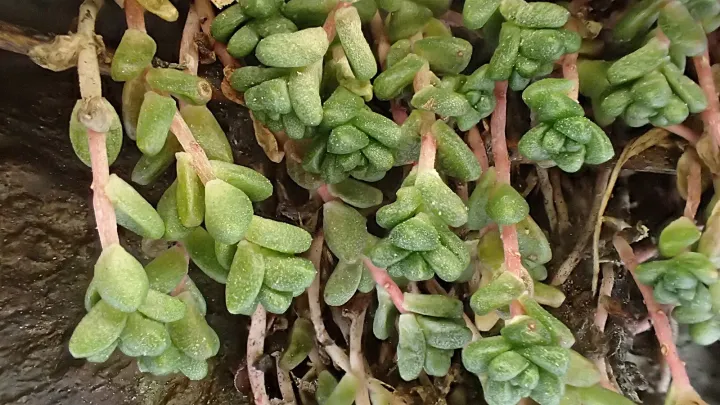
Description
Sowing dates
English stonecrop is propagated through seeds, stem cuttings, or division of mature clumps. For seed propagation, sow them in autumn or early spring to allow for natural stratification, which improves germination rates.
When sowing in trays, press the seeds lightly into moist, well-draining substrate without covering them with soil. Maintain a steady room temperature and humidity until seedlings emerge, usually within a few weeks.
Seedlings should be pricked out once they develop their first set of true leaves. When transplanting to the final location, ensure a spacing of approximately 15 to 20 centimeters to allow the plants to spread effectively.
Stem cuttings are the most common and fastest method for propagation. Simply detach a small stem segment and place it on slightly moist sandy soil, where it will develop roots within a short time.
Dividing established plants is best performed in the spring or late summer. This practice ensures that the plants remain vigorous and allows for the quick multiplication of the ground cover across the landscape.
Growing requirements
English stonecrop (Sedum anglicum) is a succulent perennial belonging to the Crassulaceae family. It is valued for its ability to thrive in poor, rocky, or sandy soils where other plants often struggle to establish themselves.
The plant requires full sun to maintain its compact growth habit and vibrant color. In shaded conditions, the stems tend to elongate, which significantly diminishes the plant's aesthetic value.
Excellent drainage is the most critical factor for success. Sedum anglicum cannot tolerate waterlogged conditions, so it is highly recommended to incorporate grit or sand into the planting area to prevent root rot.
This species is exceptionally drought-tolerant, making it an ideal choice for xeriscaping, rock gardens, and green roofs. It adapts well to various climatic conditions provided that the soil conditions are met.
Maintenance is minimal, consisting mainly of occasional weeding during the first season of growth. Once established, the dense mat of foliage effectively prevents most weeds from invading the area.
Main diseases and pests
Root rot is the most common health issue for English stonecrop, almost always caused by poor soil drainage or over-irrigation. Ensuring a dry environment for the roots is the best prevention strategy.
Pests such as mealybugs or aphids can occasionally infest the plants, particularly in overcrowded or humid conditions. Targeted use of horticultural soaps or systemic insecticides can help manage these populations.
Slugs and snails may feed on the fleshy leaves during wet seasons, leading to unsightly damage. Physical barriers or eco-friendly bait can be used to protect the succulent foliage from these gastropods.
Fungal leaf spot diseases are rare but can occur if air circulation is poor or if the plants remain damp for extended periods. Keeping the plants in a sunny, breezy spot minimizes this risk.
Overall, Sedum anglicum is a highly resilient plant with few natural enemies. Most problems are human-induced through incorrect watering or poor site selection, which can be easily corrected.