
Sedum allantoides
Sedum allantoides
Description
Growing requirements
Sedum allantoides is a perennial succulent species belonging to the Crassulaceae family. It is native to the rocky, high-altitude regions of Mexico, where it has evolved to survive in nutrient-poor and arid environments.
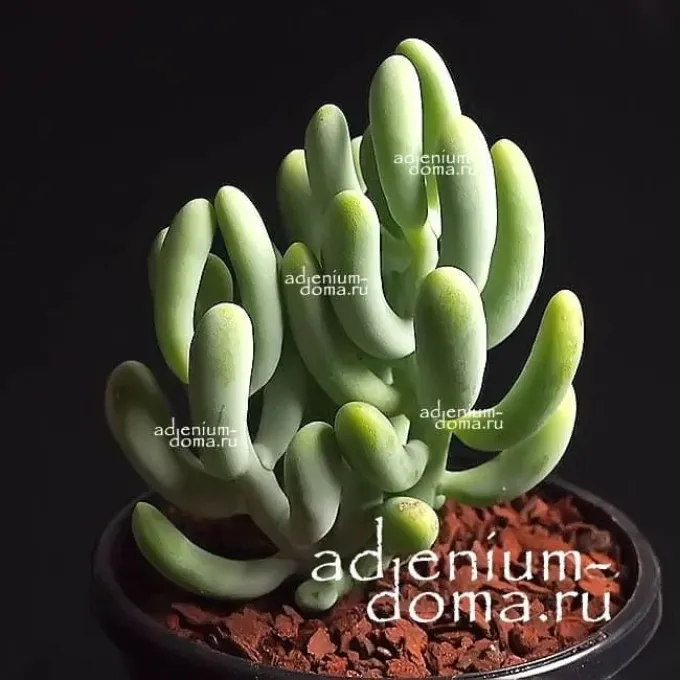
The plant is defined by its distinctive succulent leaves, which are cylindrical and coated in a thick, waxy, glaucous bloom. This bloom serves as a crucial adaptation to prevent excessive transpiration and protect the internal water reserves from intense UV rays.
In terms of cultivation, the plant requires a highly porous and inorganic soil mix. A standard substrate consists of coarse horticultural sand, pumice, and minimal organic peat to ensure rapid drainage after irrigation.
Optimal growth is achieved under bright, indirect light conditions. In professional nurseries, light levels are monitored to prevent etiolation, which causes the plant to stretch and lose its characteristic compact, rosette-like growth pattern.
The climate requirements involve warm summer temperatures for active growth and cooler, dry conditions during the winter dormancy period. This seasonal variation is essential to mimic the plant's natural habitat and promote healthy vegetative development.
Main diseases and pests
The primary threat to the vitality of Sedum allantoides is root rot, typically caused by overwatering or soil mixes that retain excessive moisture. Growers should adopt a 'soak-and-dry' watering method to maintain health.
Mealybugs are the most common pests affecting this species. They tend to aggregate in the crevices between the leaves, where their white, cotton-like secretions become visible, signaling a need for immediate intervention.
Spider mites may occasionally infest the plants if ambient humidity remains too low for extended periods. These pests cause discoloration and spotting, which drastically reduces the commercial value of the crop.
Root mealybugs present a more insidious threat as they reside within the root zone, often causing stunting and yellowing of the foliage. Soil drenching with appropriate systemic insecticides is often required to eradicate them.
Maintenance of hygiene in the greenhouse or growing environment is critical. Removing fallen leaves and ensuring good air circulation helps prevent the spread of fungal pathogens that thrive in stagnant, humid conditions.