
Aetna stonecrop
Sedum aetnense
Description
Growing requirements
Aetna stonecrop (Sedum aetnense) is a member of the Crassulaceae family, specifically adapted to the volcanic and alpine environments of Mount Etna. As a succulent species, it has evolved to thrive in nutrient-poor substrates and harsh mountain climates.
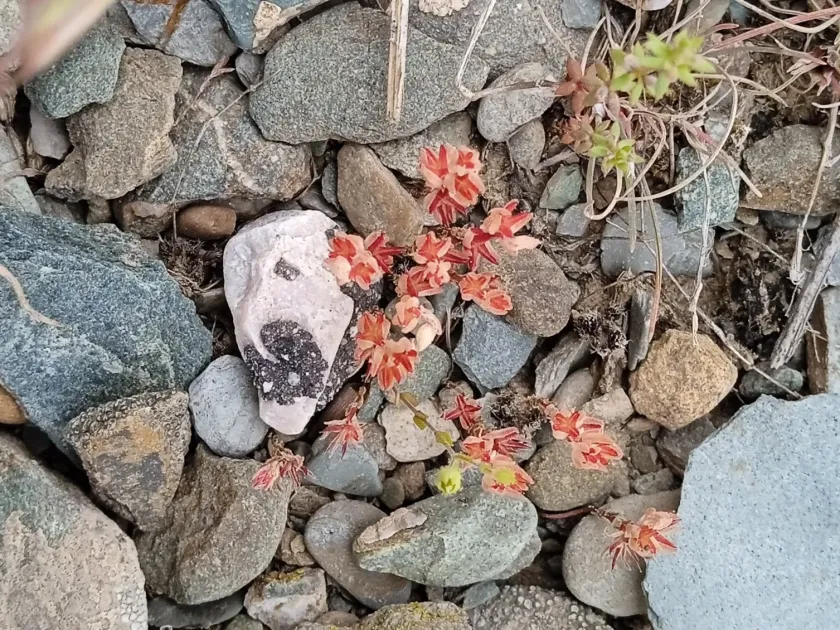
Botanically, this plant is characterized by its mat-forming growth habit and fleshy leaves that store moisture, allowing it to withstand extreme temperature fluctuations. Its stems are prone to branching, creating a dense surface covering that is highly aesthetic.
Cultivation requires full sun exposure to maintain the plant's structural integrity and characteristic color. Inadequate light levels will lead to etiolation, where the stems stretch and become weak, losing their ground-hugging appearance.
The ideal growing medium must be highly porous and inorganic. A mixture consisting of coarse sand, perlite, and fine gravel ensures that water drains rapidly, preventing the oxygen-starved conditions that lead to root death.
Maintenance is minimal, as this species is drought-hardy. Supplemental water is only necessary during extended drought periods in the peak of summer, and even then, light watering is sufficient to keep the plant hydrated.
Main diseases and pests
Fungal rots are the most significant threat to the health of Sedum aetnense, primarily caused by waterlogged soil. Proper soil structure is essential, as the roots are sensitive to humidity and require constant aeration to thrive.
Mealybugs are the most common insect pests, often hiding in the crevices between the fleshy leaves. These pests feed on plant sap and can cause the decline of the plant if not addressed with targeted insecticidal treatments.
Aphids can occasionally infest new growth during the spring season. While usually not fatal to the established plant, they can weaken it, making it more susceptible to opportunistic secondary infections.
Gastropods, particularly slugs, can damage the succulent tissue, especially when the surroundings remain damp. Keeping the surrounding area clear of debris and dry helps to minimize the presence of these pests.
Root nematodes can cause localized growth issues. While less common, they require the isolation of affected plants and the disposal of the surrounding soil to stop any further spread within the garden area.