
Sinuata rhodiola
Rhodiola sinuata
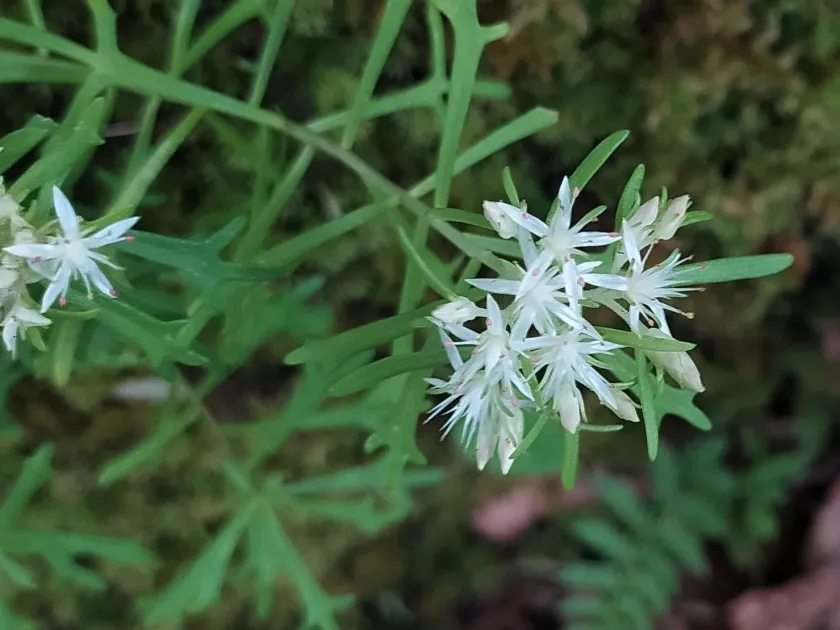
Description
Sowing dates
Sinuata rhodiola requires specific seed pre-treatment, often involving stratification, to break dormancy and ensure successful germination in agricultural settings.
The ideal time for sowing is early spring or late autumn, providing the seeds with the necessary cycle of cool temperatures before they begin to sprout.
Due to the small size of the seeds, they should be sown on the surface of well-prepared, loose soil, covered only by a fine layer of sand or substrate.
Maintaining consistent soil moisture is crucial during the germination phase to ensure a uniform stand of seedlings across the planting bed.
Starting the crop in a greenhouse environment can significantly enhance seedling survival rates before they are transplanted into the final field location.
Growing requirements
The crop prefers well-drained, sandy, or rocky soil compositions that mimic its natural alpine or high-latitude habitats, ensuring excellent aeration.
Sunlight exposure is a critical factor; the plant thrives in open areas and does not tolerate competition from taller vegetation or shaded environments.
It is well-adapted to cool climates and can survive harsh winter conditions, provided the ground does not suffer from prolonged waterlogging.
The plant demonstrates high tolerance to temperature fluctuations, making it suitable for regions where growing seasons are short or unpredictable.
Minimal fertilization is required, as the species is adapted to nutrient-poor soils; excessive nitrogen application should be avoided to preserve medicinal quality.
Main diseases and pests
Soil-borne pests such as wireworms are common threats that can damage the root system, leading to stunted plant growth or premature plant death.
Root rot caused by fungal pathogens is a significant risk, particularly in fields with poor drainage or during exceptionally rainy seasons.
Effective weed management is essential, as invasive species can quickly overwhelm the young plants and compete for vital sunlight and water resources.
Proper field hygiene, including the removal of infected plant debris, is the primary method for preventing the spread of diseases within the plantation.
Crop rotation practices help in reducing the pressure from specialized pathogens and pests, ensuring long-term sustainability of the medicinal cultivation.
Harvesting
The main objective of cultivating this species is the production of rhizomes, which contain the beneficial bioactive compounds valued in various industries.
Harvesting should be delayed until the plants reach their full maturity, typically after three to four years of vegetative growth in the field.
The optimal time for harvest is late autumn, after the leaves have withered and the plant has entered its winter dormancy phase.
Rhizomes are carefully excavated, washed to remove soil particles, and sliced into manageable sections for drying at controlled temperatures.
Proper drying is essential to prevent degradation of active components; the final product should be stored in cool, dark, and well-ventilated conditions.