
Rhodiola rhodantha
Rhodiola rhodantha
Description
Sowing dates
Propagation is mainly achieved through seeds, which require a cold stratification period to break dormancy. Seeds should be kept in moist, cold conditions for several weeks before planting to ensure uniform germination rates.
When sowing, it is best to use a gritty, sterile mix to prevent damping-off. Seeds should be sown on the surface and pressed lightly into the soil, as they require light to trigger germination processes.
Growing requirements
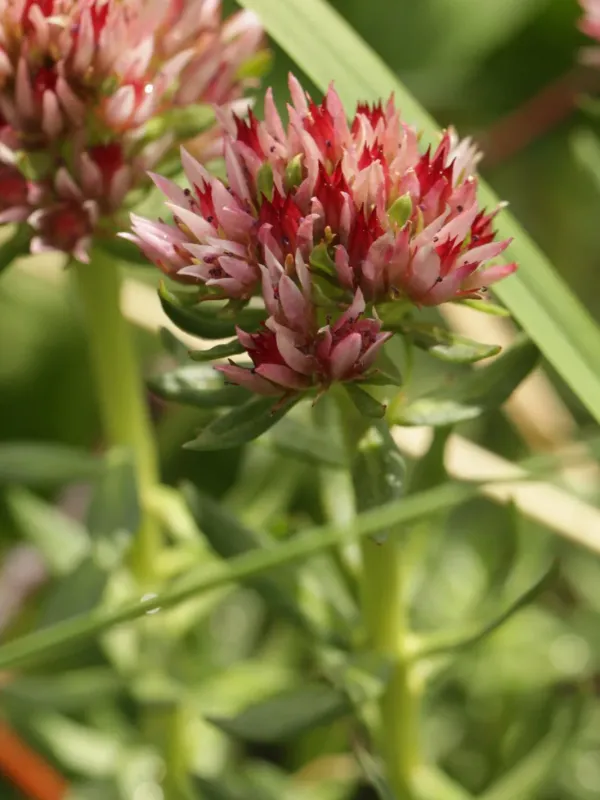
Rhodiola rhodantha is a perennial herbaceous plant belonging to the Crassulaceae family. It is known for its distinctive pinkish-red flowers and is a rare form often found in high-altitude habitats, specifically within the Rocky Mountains of North America.
The plant is perfectly adapted to alpine environments, characterized by rocky slopes and thin, well-drained soils. Its metabolic processes are optimized for cold climates, and it relies on environmental stressors to synthesize the medicinal compounds it is valued for.
Agricultural success depends on providing a growing medium that mimics the rocky, mineral-rich, and non-nutritious soils of its native habitat. Excellent drainage is non-negotiable, as stagnant moisture quickly leads to root degradation.
Climate requirements include access to intense sunlight combined with cool ambient temperatures. The plant struggles in hot, humid summers, which can weaken the vegetative structure and increase susceptibility to pests.
Rhodiola rhodantha is primarily used for its adaptogenic properties in traditional and modern herbalism. The active constituents found in its roots and rhizomes are of significant interest for pharmacological research aimed at stress management and energy recovery.
Main diseases and pests
Root rot is the most significant threat, typically caused by fungi such as Phytophthora or Pythium due to overwatering. Proper spatial arrangement is necessary to ensure good ventilation and reduce the humidity levels around the root collar.
Pests are generally fewer in alpine environments, but aphids and various species of mites can occasionally infest the foliage during the peak growing season. Biological control measures are preferred over chemical pesticides to maintain the quality of the harvested roots.
Harvesting
The harvest cycle typically lasts three to four years before the roots contain sufficient bioactive markers. Roots should be harvested in the late autumn, cleaned of debris, and dried in a well-ventilated area to prevent decay and preserve medicinal potency.