
Rhodiola pachyclados
Rhodiola pachyclados
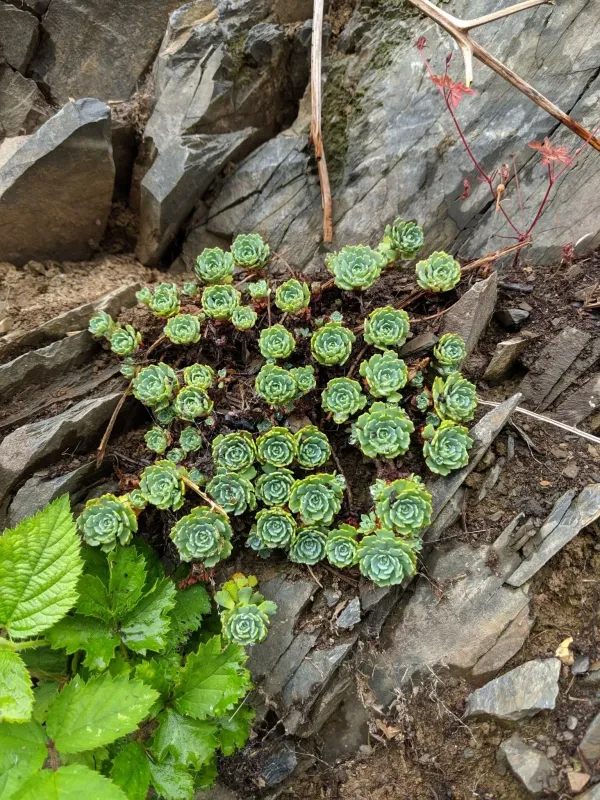
Description
Sowing dates
Rhodiola pachyclados is a perennial succulent belonging to the Crassulaceae family. In an agricultural setting, it is primarily propagated through division of mature clumps or by stem cuttings, which ensures genetic consistency.
Seed sowing is typically performed in late autumn for winter stratification or in early spring, provided the seeds have been cold-stratified for at least six weeks to trigger germination.
The seeding substrate must be extremely porous, consisting mostly of coarse sand, perlite, and fine gravel, as stagnant moisture is detrimental to the survival of young seedlings.
When propagating via cuttings, the material should be allowed to callus for a few days in a dry environment before being inserted into a well-draining sandy rooting medium.
Plants should be spaced approximately 20–30 cm apart to ensure adequate airflow around the base, which is crucial for preventing humidity-related issues in the growing clusters.
Growing requirements
As a native to the high-altitude regions of Afghanistan and Pakistan, this species is perfectly adapted to harsh, rocky environments with intense sunlight and significant diurnal temperature fluctuations.
The culture requires exceptionally well-drained, lean soils with a neutral or slightly alkaline pH; rich organic soil is generally avoided as it promotes rapid but succulent, weak growth.
Rhodiola pachyclados is highly drought-tolerant; its thick, fleshy leaves are designed to store water, so irrigation should be sparse and provided only when the soil is completely desiccated.
Full sun is non-negotiable for this species; in shaded conditions, the plant loses its dense habit, becomes leggy, and its medicinal profile changes due to reduced secondary metabolite synthesis.
Winter care is vital: the plant is cold-hardy, but it is extremely susceptible to crown rot if exposed to freezing, wet conditions, making slope planting or raised beds essential for outdoor cultivation.
Yield
The economic value of this crop lies in its rhizomes, which are harvested for their adaptogenic properties similar to those found in other members of the Rhodiola genus.
Yields are optimized by long-term growth cycles; harvest should ideally be delayed until the plants reach their 3rd to 5th year of growth to ensure maximum concentration of active compounds.
Fertilization should be kept to a minimum. Excess nitrogen stimulates rapid leaf growth but often dilutes the chemical potency of the roots, which is the primary marketable part of the plant.
Professional cultivation aims to balance the plant’s health with its slow growth rate, ensuring that the harvest process does not deplete the stock of perennial mother plants.
Quality control in the yield relies heavily on harvesting at the right time of year, when the plant has safely stored all necessary nutrients in its root system for the upcoming dormant season.
Main diseases and pests
Snails and slugs are the most significant pests for Rhodiola pachyclados, particularly in humid climates or during periods of heavy rainfall where they can quickly destroy tender foliage.
Root and crown rot, primarily caused by fungal pathogens such as Pythium or Phytophthora, represents the most serious threat to the crop and is almost always linked to poor soil drainage.
Preventative measures include regular weeding to ensure airflow and the use of mineral mulches, such as crushed stone, to keep the foliage away from direct contact with damp soil.
Aphids or mealybugs may occasionally appear in enclosed or poorly ventilated growing environments, necessitating minor mechanical removal or the use of targeted botanical insecticides.
Overall, the plant is remarkably resistant to typical agricultural diseases, provided that the essential requirement of arid, well-draining soil is strictly maintained throughout the growing season.
Harvesting
Harvesting is conducted during the dormant phase, usually in late autumn, when the aerial parts of the plant begin to wither and retreat, signaling that energy is concentrated in the roots.
Rhizomes are carefully lifted using forks to prevent physical damage, as bruised roots are more susceptible to rot and contamination before they reach the processing stage.
The roots must be thoroughly cleaned with cold water and trimmed of any non-marketable secondary rootlets, followed by cutting them into uniform segments for consistent drying.
Drying is a critical step that must be performed at low temperatures (maximum 40–50°C) in a dark, airy environment to preserve the volatile components and pharmacological efficacy.
The final product should be stored in moisture-proof containers in a cool, dark place to maintain its shelf life and chemical stability for distribution to the pharmaceutical market.