
Rhodiola ishidae
Rhodiola ishidae
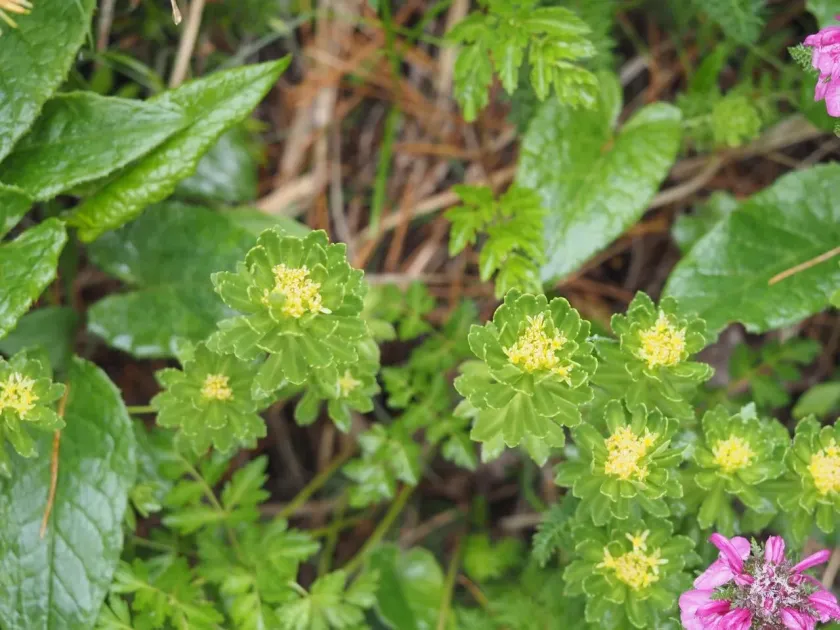
Description
Growing requirements
Rhodiola ishidae is a distinct perennial herbaceous plant belonging to the Crassulaceae family. It is natively found in high-altitude environments, where it has evolved to thrive in nutrient-poor, rocky substrates, making it a specialized crop for specific pedoclimatic conditions.
When cultivating this species, soil aeration and drainage are of paramount importance. The plant requires a well-draining, gritty soil medium that prevents moisture accumulation around the caudex, as Rhodiola ishidae is highly susceptible to root rot in saturated conditions.
The climate requirements for this culture are centered on cool growing seasons and high solar irradiance. While the plant is inherently hardy to cold, it performs best in regions that mirror its alpine origins, characterized by stable daytime temperatures and significantly cooler nights during the growing phase.
Agronomic management involves minimal soil disturbance and careful weed management during the establishment phase. Due to the plant's relatively slow growth rate, manual weeding or specialized mechanical tools are often required to prevent competition for light and nutrients.
Economically, Rhodiola ishidae is primarily cultivated for its medicinal properties. The secondary metabolites found within its root system are extracted for their adaptogenic qualities, making it a valuable asset for the nutraceutical and pharmaceutical sectors seeking botanical compounds.
Main diseases and pests
Pathogen management is the primary challenge in the production of Rhodiola ishidae. Fungal infections, particularly those caused by Phytophthora or Pythium species, can devastate entire crops if soil moisture levels exceed the physiological capacity of the plant's root system.
Pest threats are generally localized but can include subterranean insects that feed on the fleshy roots. Integrated pest management strategies, focusing on the use of disease-free propagation stock and maintaining strict drainage protocols, are the most effective methods to ensure crop health and yield stability.