
Rhodiola chrysanthemifolia
Rhodiola chrysanthemifolia
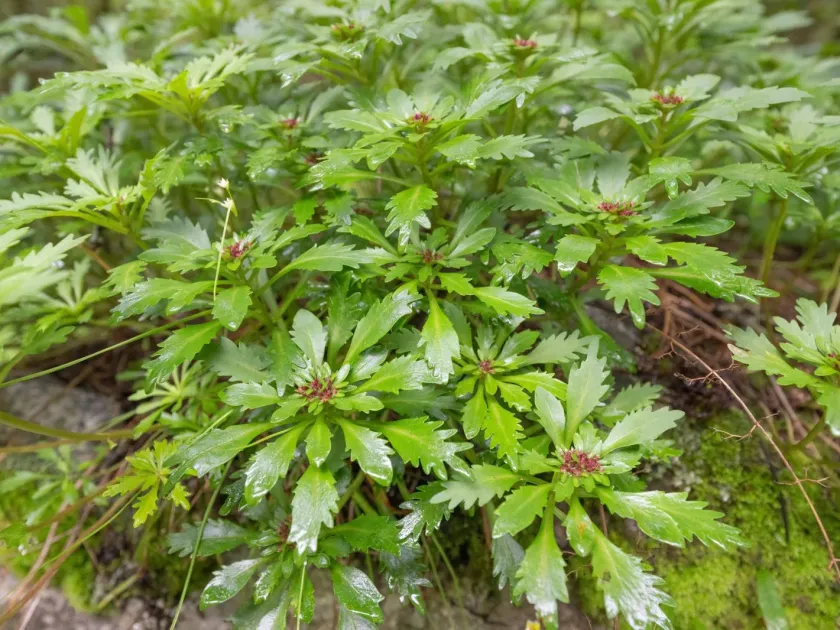
Description
Sowing dates
Propagation of Rhodiola chrysanthemifolia is typically carried out vegetatively by dividing the rhizomes in spring or autumn. Seed propagation is slower and requires a stratification period of 1–2 months at low positive temperatures.
Seeds should be sown in a well-draining substrate rich in sand and gravel. Sowing can be performed either in late autumn for winter stratification or in early spring, ensuring the seeds are lightly covered with substrate.
When dividing rhizomes, each section must include viable dormant buds. The ideal time for division is early spring, just as the plant begins to break its winter dormancy and initiates root activity.
Planting spacing is crucial; it is recommended to place plants 30–40 cm apart to ensure adequate space for root expansion. Proper spacing also helps reduce competition for nutrients in the soil.
After planting, it is recommended to mulch the soil surface with small stones or gravel. This practice mimics the natural habitat of the plant and effectively prevents root neck rot.
Growing requirements
Rhodiola chrysanthemifolia is a member of the Crassulaceae family, specifically adapted to high-altitude and subalpine environments. It is a hardy perennial plant designed for survival in harsh conditions.
The plant thrives in loose, well-draining soils with a neutral or slightly acidic pH. Waterlogging is the most common cause of plant failure, making drainage the single most important soil requirement.
Climatic requirements involve moderate temperatures and high exposure to light. The plant is exceptionally cold-tolerant, making it well-suited for cultivation in northern regions or mountainous nurseries.
In regions with high solar radiation, the plant might require partial shading during the peak of summer to avoid overheating, which can lead to stress and reduced growth rates.
Irrigation should be careful and controlled. During the active growing season, regular moisture is necessary, but the soil must be allowed to dry out between waterings to maintain plant health.
Yield
The commercial harvest of Rhodiola chrysanthemifolia focuses on the biomass of the rhizomes. The plant requires a long development cycle, reaching maturity for harvest only after 4–5 years.
Throughout this growth period, the plant accumulates specific medicinal compounds, such as salidroside. Ensuring optimal soil nutrients without over-fertilizing is essential for quality control.
Average yield depends on site-specific factors like soil mineral content and climate. With consistent care, it is possible to achieve a sustainable annual harvest from established plots.
Harvesting is ideally conducted in the autumn. At this time, the plant has sequestered the maximum concentration of active substances into the rhizome, providing the best quality raw material.
Care must be taken to balance root biomass growth with the concentrations of active compounds. Over-fertilization with nitrogen should be avoided to prevent excessive leafy growth.
Main diseases and pests
The primary threat to Rhodiola is root rot, caused by fungal pathogens that thrive in wet conditions. Maintaining excellent soil drainage is the most effective preventative measure.
Soil-dwelling pests, such as wireworms, can damage the rhizomes. Proactive monitoring and the use of healthy planting stock can minimize the risk of pest-induced infections.
Nematodes are another concern that can debilitate the plant's root system, leading to stunted growth. Crop rotation and maintaining soil biological balance help in managing these pests.
Slugs and snails may attack tender shoots during rainy seasons. Protecting the plants with mechanical barriers or using safe, targeted methods is advisable for young plantations.
Fungal diseases like leaf spot may occur if air circulation is inadequate. Proper spacing and removing diseased debris help in keeping the plantation healthy and productive.
Harvesting
Harvesting is performed by carefully extracting the rhizomes from the soil. This is usually done in the autumn, using tools that prevent damage to the valuable root structure.
After extraction, roots must be washed immediately in cold water to remove soil and debris. Excess moisture should be removed quickly to prevent any initiation of rot or enzymatic degradation.
The cleaning process involves removing dead or non-viable sections of the root. Only healthy, intact rhizomes are selected for the final drying stage to ensure medicinal potency.
Drying is a critical phase, performed at controlled temperatures between 40–50 degrees Celsius. This method preserves the chemical integrity of the bioactive compounds for commercial use.
The final product should be stored in cool, dark, and well-ventilated areas using breathable packaging material. This ensures that the medicinal properties are preserved for the intended usage duration.