
Phedimus stevenianus
Phedimus stevenianus
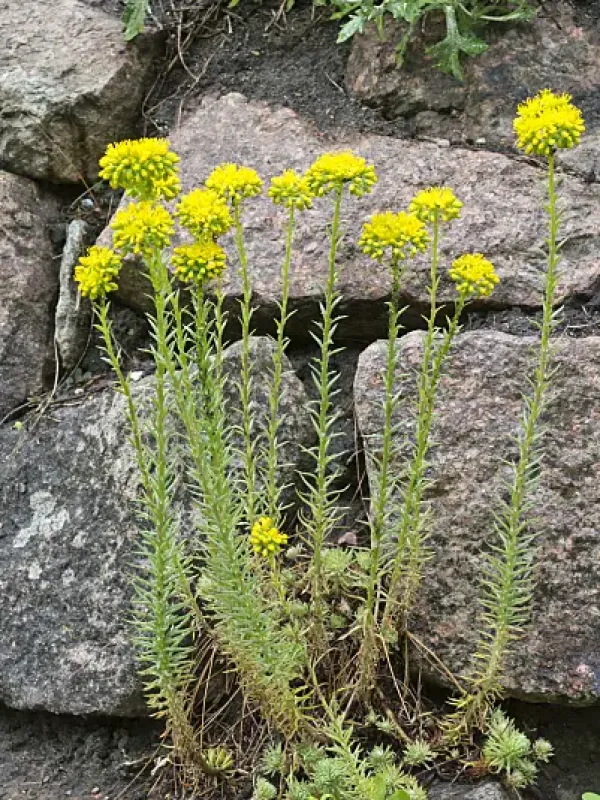
Description
Sowing dates
Propagation of Phedimus stevenianus is most commonly performed through vegetative methods: cuttings or plant division. The optimal time for planting is during the spring season when the soil temperature rises to 10–12 degrees Celsius.
When sowing seeds, it is essential to consider their small size; therefore, they should be sown on the surface of a light, well-draining substrate without covering them deeply. For successful germination, keep the seeds at a stable temperature of around 20 degrees Celsius under diffused light.
Planting in open ground is carried out after the danger of late spring frosts has passed. The plant establishes roots quickly, making it suitable for both nursery propagation and the creation of dense landscape compositions.
Planting density is calculated based on the intended use: to quickly establish a solid ground cover, 12–16 plants per square meter are recommended. For group planting, maintain a distance of at least 15–20 centimeters between specimens to ensure proper air circulation.
Phedimus stevenianus tolerates transplantation very well, allowing for movement throughout most of the growing season, provided that the plants receive sufficient moisture during the first few weeks after the procedure.
Growing requirements
This crop belongs to the Crassulaceae family and is a typical succulent, requiring conditions similar to its natural habitats on rocky slopes. The plant shows high drought resistance, making it promising for cultivation in arid agricultural conditions.
The most favorable locations for development are sunny areas with light, sandy, or stony soils that possess excellent drainage. Stagnant moisture in the root zone is a critical factor that can lead to plant death due to tissue rot.
Phedimus stevenianus prefers neutral or slightly alkaline soils. In acidic soils, the plant's development slows down, so liming is recommended during site preparation to adjust the pH levels to optimal ranges.
The plant is not demanding regarding temperature; it possesses good winter hardiness characteristic of species from temperate latitudes. However, during snowless winters with extreme cold, light covering may be necessary to protect the root system.
Under intensive cultivation, it is necessary to ensure good soil aeration. High air humidity combined with poor ventilation of the plot negatively affects the plant's aesthetic appeal and overall vitality.
Yield
The economic value of Phedimus stevenianus lies not in harvesting fruit or seeds, but in the high biomass the plant forms throughout the growing season. It is capable of completely covering the allocated area, creating a dense turf layer.
In decorative gardening, yield is evaluated by the speed of spread and the ability to maintain the intended shape of the composition. With sufficient nutrients and sunlight, the crop is capable of accumulating a significant volume of green mass, effectively suppressing weed growth.
In the context of phytoremediation or soil stabilization on erosion-prone slopes, Phedimus stevenianus demonstrates high efficiency due to its powerful, albeit shallow, root system. This allows it to be used as a biological tool for stabilizing inclines.
The number of shoots formed depends directly on the level of solar radiation. Maximum productivity is observed in open spaces where the plant's photosynthetic activity reaches its peak.
Regular trimming of faded flower stalks stimulates branching and the renewal of vegetative organs, which helps maintain high carpet density over several years without the need for radical rejuvenation of the planting.
Main diseases and pests
The main danger to Phedimus stevenianus stems from fungal diseases that develop due to waterlogging and a lack of sunlight. Root and stem rots are the most frequent pathologies, requiring the timely removal of affected parts.
Among pests, mealybugs and aphids can cause the most damage, as they settle in leaf axils and suck sap from young shoots. To control them, systemic insecticides or biological plant protection methods are used.
Slugs and snails can damage fleshy leaves, especially during rainy weather, leaving characteristic uneven holes. Mulching with gravel helps reduce the activity of these pests around the base of the plant.
Poor agricultural practices, such as excessive use of nitrogen fertilizers, promote loose tissue growth, making the plant more vulnerable to infections and reducing its natural immunity.
To prevent disease, it is recommended to follow proper crop rotation and avoid overcrowded planting, ensuring free air circulation between plants in the composition.
Harvesting
Harvesting in industrial or nursery settings involves gathering planting material. The middle of summer is considered the optimal time for taking cuttings, as the shoots have accumulated sufficient storage substances by that time.
The cut stems should be dried for a few hours in the shade so that the wound heals, preventing rot during rooting. This method ensures high survival rates for young plants.
When used as a ground cover, no formal harvest is required, though trimming is performed. The procedure is usually carried out after flowering to give the plants a neat appearance.
In breeding projects, seed collection is conducted in late summer, when the follicles turn brown but have not yet opened. The collected material is dried in a well-ventilated room.
All trimmed plant material, provided it shows no signs of fungal infection, can be used for composting, as succulent tissues decompose rapidly and enrich the soil with organic matter.