
Phedimus floriferus
Phedimus floriferus
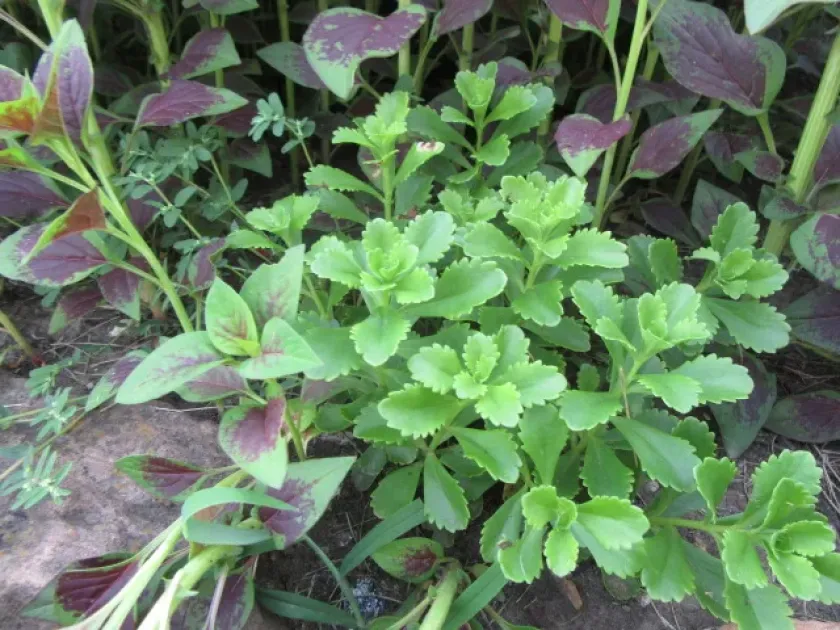
Description
Sowing dates
The propagation of Phedimus floriferus is primarily achieved through stem cuttings or division of established clumps. This process is most effective during the active growing season in late spring.
Seeds can be sown in well-drained, sterile media. Surface sowing is required, as the seeds need light for germination. Maintaining consistent moisture and warmth is vital for seedling survival.
Young plants should be hardened off before being transplanted to their final location. This transition helps the plant adapt to the environmental stresses of an open field or garden.
Spacing is a crucial factor to consider. Planting individuals at least 25-30 centimeters apart allows for sufficient root development and reduces the risk of fungal outbreaks.
Once established, the plant spreads through creeping stems. If used as a ground cover, dense initial planting will result in faster soil coverage but requires careful weeding in the early stages.
Growing requirements
Phedimus floriferus is a member of the Crassulaceae family, perfectly adapted to harsh conditions. It thrives in full sun, which is essential for maintaining its robust structure and color.
The soil must be exceptionally well-drained. Sandy, rocky, or gritty substrates are ideal, as they prevent the water stagnation that causes rapid decay in the fleshy root systems.
Regarding climate, this species is highly cold-hardy. It is well-suited for temperate regions where it survives winter dormancy without the need for additional protection.
Watering requirements are very low. The plant stores water within its succulent foliage, allowing it to withstand long periods of drought that would kill typical agricultural crops.
Fertilization should be kept to a minimum. Over-fertilization, especially with nitrogen, results in weak, spindly growth that is more prone to environmental damage and disease.
Main diseases and pests
The primary threat to Phedimus floriferus is root rot caused by poor soil drainage and high humidity. Constant moisture often leads to the development of fungal pathogens.
Slugs and snails can cause mechanical damage to the leaves during damp, overcast weather. Using physical barriers or bait is effective for managing these pests in small areas.
Aphids may occasionally infest the plant's growing tips. These pests can be easily managed through targeted insecticidal soap sprays or biological control methods.
Sanitation is key to preventing disease outbreaks. Removing decaying leaves and debris helps eliminate the environment where fungi and insect pests typically congregate.
To ensure long-term plant health, avoid overhead irrigation. Water should be applied directly to the base of the plant to keep the foliage dry and healthy.