
Phedimus ellacombeanus
Phedimus ellacombeanus
Description
Growing requirements
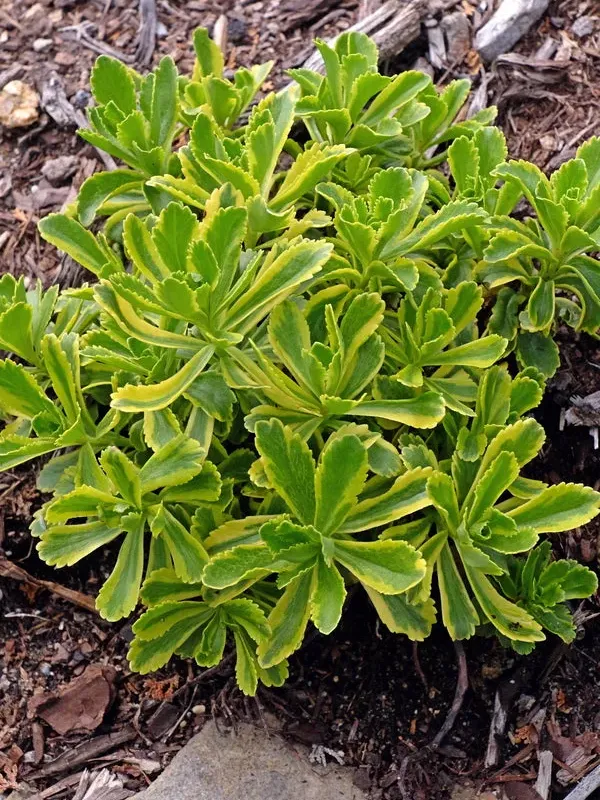
Phedimus ellacombeanus is a perennial herbaceous plant belonging to the Crassulaceae family. Native to the mountainous regions of East Asia, this species has adapted to thrive in rocky environments where traditional plants might struggle to establish their root systems.
Botanically, this succulent is recognized by its creeping stems and fleshy, spatulate leaves that form dense, ground-hugging mats. During the summer, the plant produces vibrant yellow inflorescences, providing a significant aesthetic boost to any landscape project or rock garden setting.
The plant demands high levels of direct sunlight to maintain its structural integrity and distinct coloration. Insufficient light results in elongated, leggy stems that compromise the plant's natural beauty and reduce its overall resistance to environmental stresses.
Regarding soil, Phedimus ellacombeanus requires well-draining, gritty, or sandy media to prevent water stagnation. Excess moisture around the roots is the primary cause of decline for this species, as it rapidly induces decay in the succulent tissues.
In terms of хозяйственное (economic) utility, this plant is primarily used as an ornamental groundcover. Its ability to spread effectively makes it ideal for erosion control on small slopes and as a decorative filler in xeriscaping projects where water conservation is a priority.
Main diseases and pests
Fungal infections constitute the main threat to Phedimus ellacombeanus, typically manifesting when cultural conditions—particularly soil aeration and drainage—are neglected. Root rot is a common symptom of overwatering and poor drainage, requiring immediate site adjustment.
Mealybugs are frequent pests that infest the leaf axils, drawing sap and weakening the plant. Regular monitoring is essential, as these pests can cause significant distortion to the succulent's growth pattern if left unchecked for an extended period.
Aphids can also attack the soft, emerging growth in the spring. While they rarely kill a healthy plant, their presence causes stress and may invite secondary pathogens to infect the damaged leaf surfaces through sap extraction.
Slugs and snails often feed on the fleshy leaves, especially during wet seasons. These pests create unsightly holes in the foliage, which can potentially serve as entry points for bacterial infections, necessitating prompt pest management strategies.
Success in cultivation relies on replicating its native, dry, and sunny environment. By ensuring adequate airflow and precise irrigation management, gardeners can prevent most of these threats and maintain a healthy, thriving population of this succulent.