
Rock stonecrop
Petrosedum rupestre
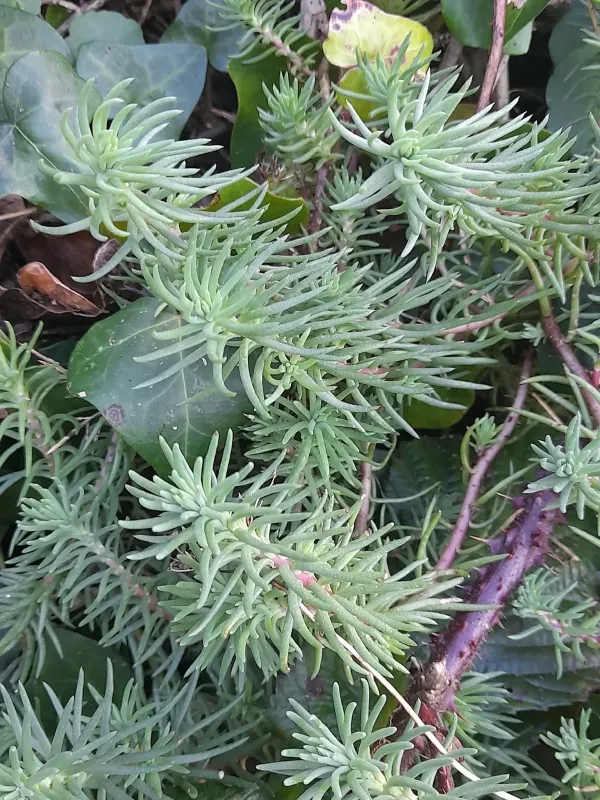
Description
Sowing dates
Sowing seeds of Petrosedum rupestre is best performed in early spring. The seeds are extremely small and should be scattered on the surface of a sandy, well-drained substrate.
Light is essential for successful germination, so the seeds should not be covered deeply with soil. Keeping the surface consistently moist is crucial until the seedlings emerge.
Vegetative propagation via cuttings is the most common agricultural practice. Cuttings are taken during the active growth phase and left to callous for one day.
After callousing, cuttings are inserted into a propagation bed filled with a coarse sand and grit mix. They root rapidly under temperate conditions without extra humidity.
Spacing should be managed to ensure adequate ventilation. Dense plantings can suffer from fungal issues if the air circulation is restricted between individual rosettes.
Growing requirements
Rock stonecrop belongs to the Crassulaceae family and is an incredibly hardy perennial succulent. It is naturally adapted to rocky slopes and nutrient-poor environments.
Full sun is the primary requirement for this crop. When grown in shaded conditions, the plants lose their structural integrity and typical blue-green or reddish foliage coloration.
The soil must be exceptionally well-draining. While it thrives in rocky or sandy substrates, it can tolerate a variety of soil types as long as they are not waterlogged.
This species is highly drought-tolerant, making it an excellent choice for low-maintenance landscaping and xeriscaping in various climatic zones.
No regular fertilization is required. In fact, providing too much nitrogen-based fertilizer will lead to succulent stems that are prone to mechanical damage and disease.
Main diseases and pests
The most significant threat to the health of the plantation is root rot, which occurs in poorly drained soils or areas with prolonged periods of high humidity.
Pests such as aphids may occasionally infest new growth during the spring. Monitoring is recommended to prevent localized damage to the succulent leaves.
Slugs and snails can consume leaves, particularly in rainy seasons, necessitating the use of deterrents if the infestation reaches significant levels.
Fungal pathogens often target the plant when it is weakened by excessive moisture. Proper site selection is the best preventative strategy against these threats.
Removing infected plant material and ensuring clean debris-free soil surface helps in managing potential disease outbreaks effectively within the crop area.