
Petrosedum amplexicaule
Petrosedum amplexicaule
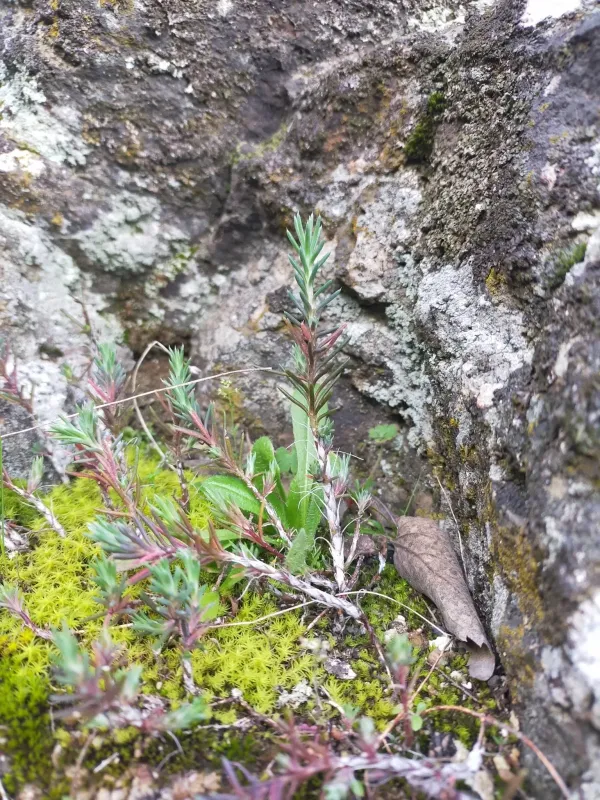
Description
Growing requirements
Petrosedum amplexicaule is a perennial succulent species belonging to the Crassulaceae family. Native to the Mediterranean basin, this plant is well-adapted to harsh environments, typically growing on rocky outcrops and dry, barren soils.
The species exhibits a unique biological strategy known as summer dormancy. During the hottest and driest months, the plant loses its leaves and undergoes a state of quiescence to conserve water and prevent metabolic exhaustion, resuming growth when temperatures drop.
Agricultural success depends on providing high-porosity substrates. The soil must be exceptionally well-draining, as the root system is highly susceptible to hypoxia and rot caused by stagnant moisture. Gritty, sandy, or stony soil mixes are ideal for this purpose.
The plant requires full sun exposure to maintain its characteristic compact morphology. Insufficient light leads to etiolation, making the stems weak, elongated, and prone to mechanical damage or fungal infections due to lack of airflow.
Watering requirements are minimal; the plant is exceptionally drought-tolerant. During the active growth phase in spring, moderate moisture is beneficial, but the substrate must be allowed to dry out completely between irrigation cycles.
Main diseases and pests
The primary threats to Petrosedum amplexicaule are pathogenic fungi, particularly those causing crown rot. These diseases thrive in environments with poor ventilation and high soil moisture levels, requiring strict control over irrigation.
Pests such as mealybugs often hide within the axils of the densely arranged leaves, making them difficult to detect. Regular inspection and targeted pesticide application are necessary to prevent the collapse of individual stems.
Gastropods, including snails and slugs, can significantly damage the succulent foliage. Creating a physical barrier with coarse gravel or pumice around the base of the plant is a common and effective organic management strategy.
Fungal leaf spot may occur if the foliage remains wet for extended periods. Ensuring the plant is situated in an open area with good air circulation is the most effective preventative measure against these infections.
Overall, the plant is relatively resilient. When grown in optimal conditions that mimic its natural habitat, it exhibits strong natural resistance to common garden pests and diseases without the need for intensive chemical intervention.