
Mucizonia sedoides
Mucizonia sedoides
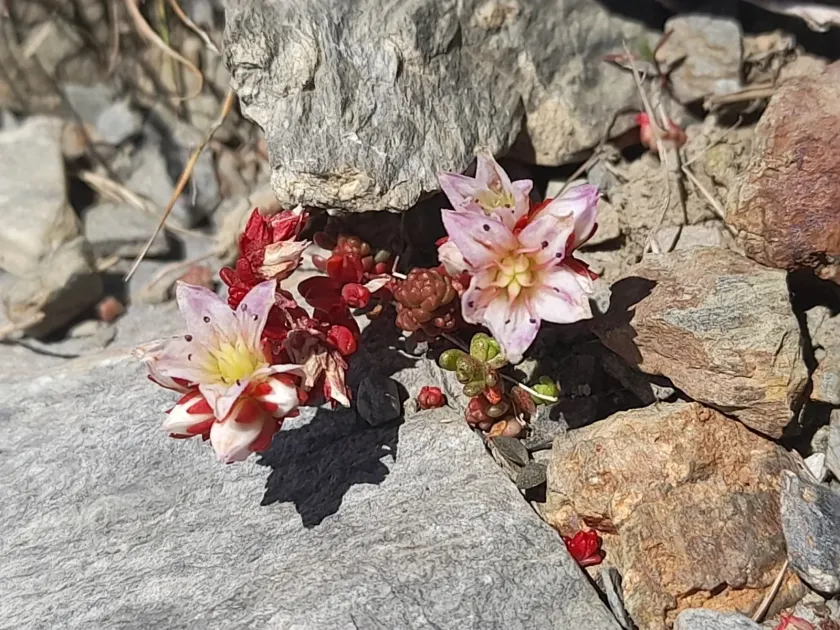
Description
Sowing dates
Propagation of Mucizonia sedoides is typically achieved through seed sowing in spring or by stem cuttings, which tend to root easily in dry media.
Seeds should be sown on the surface of a porous, sandy-based substrate, pressing them lightly into the surface rather than burying them deep.
Maintaining a constant temperature of around 20 degrees Celsius is essential for optimal germination rates during the early spring period.
The seedling stage requires careful humidity management; while the soil should not dry out completely, excess moisture can quickly lead to damping-off.
Once seedlings have reached sufficient size, they should be transplanted into individual containers with a coarse mix to encourage robust root development.
Growing requirements
Mucizonia sedoides belongs to the Crassulaceae family and is highly adapted to arid environments, often found in rocky, nutrient-poor soil compositions.
This species requires full sunlight exposure to maintain its structural integrity and coloration, as shaded conditions lead to etiolated, weak growth.
The soil must have excellent drainage properties to prevent root rot; a mixture of volcanic rock, sand, and minimal organic matter is ideal for this crop.
Watering frequency should be strictly regulated, allowing the substrate to dry out completely between sessions to mimic the plant's natural habitat.
Temperature tolerance is broad, though the plants thrive best in well-ventilated areas where daytime heat is tempered by cooler night temperatures.
Main diseases and pests
Fungal pathogens associated with overwatering are the primary concern for the health and longevity of Mucizonia sedoides plants in cultivation.
Poor ventilation combined with high humidity levels frequently results in root and crown decay, often becoming irreversible if detected late.
Mealybugs are the most persistent pests for this species, sheltering in the crevices of the succulent foliage and extracting vital plant fluids.
Spider mites may also affect the plants during prolonged heatwaves, leading to discolored and stunted foliage growth if left unmanaged.
Integrated pest management strategies, such as using horticultural oils or systemic insecticides, are recommended to maintain plant health.