
Mucizonia hispida
Mucizonia hispida
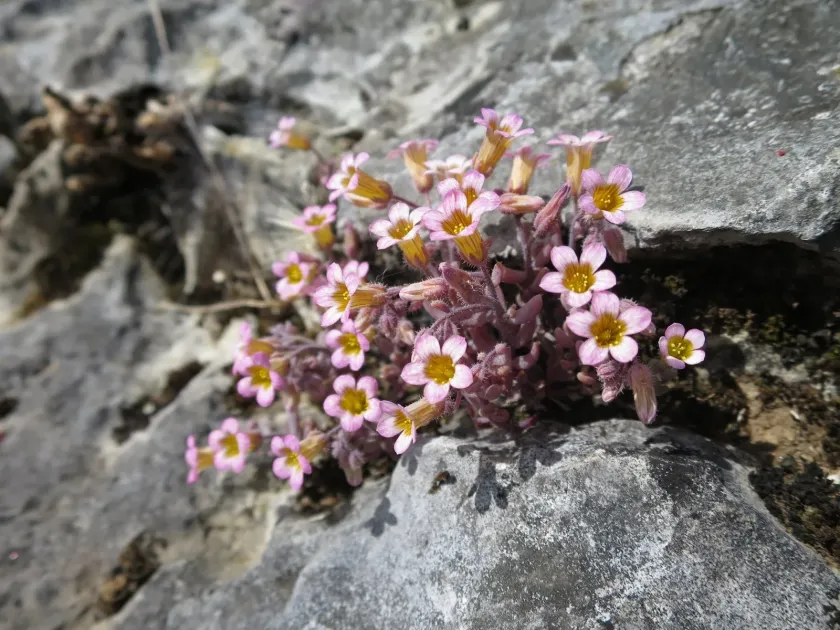
Description
Sowing dates
Mucizonia hispida is a succulent plant that typically propagates by seeds. In its natural environment, the germination process is triggered by the onset of the cool, wet season, which provides the necessary hydration for seedlings.
For cultivation purposes, sowing is best performed during the early autumn months. The seeds should be sown in a well-draining, gritty soil mix to ensure optimal conditions for root development from the very beginning.
Due to their minute size, seeds must be surface-sown and only lightly covered with a thin layer of sand. Deep burial of the seeds often prevents successful germination and can lead to premature seed rot.
Maintaining a constant, moderate moisture level during the first few weeks is crucial. Using a fine mist sprayer helps to keep the soil surface damp without disturbing the delicate seeds or washing them away.
Once germination occurs, light intensity should be gradually increased to encourage healthy, compact growth. Avoiding overcrowding in the seedling tray is also important to ensure proper air circulation.
Growing requirements
Belonging to the Crassulaceae family, Mucizonia hispida is a highly specialized plant adapted to rocky, nutrient-poor landscapes. It thrives in conditions that mimic its native Mediterranean habitat.
The plant demands high light exposure to maintain its characteristic bristly texture and compact growth habit. In low-light conditions, it becomes etiolated, loses its aesthetic appeal, and becomes more susceptible to diseases.
Soil composition must prioritize drainage over fertility. A specialized succulent mix consisting of coarse sand, perlite, and a small amount of inorganic soil is ideal for long-term health and growth.
Watering requirements are minimal. The plant should only be watered when the substrate has dried out completely. Overwatering is the most common cause of failure in the cultivation of this specific species.
Temperature control is essential. While it can withstand mild fluctuations, it performs best in environments with good ventilation and stable temperature ranges, avoiding extreme heat or freezing conditions.
Main diseases and pests
The primary threat to Mucizonia hispida is root rot caused by stagnant moisture. Because the plant is adapted to dry conditions, excessive water quickly leads to the decay of the root system and plant death.
Mealybugs are the most frequent pests, often clustering in the leaf axils. These pests extract sap, which stunts the plant's growth and may introduce secondary viral or fungal infections into the tissues.
Preventive maintenance involves regular inspection of the foliage and ensuring that the plant is not kept in a stagnant, humid environment. Keeping the crown dry is particularly important during the winter months.
If an infestation occurs, application of an appropriate insecticide or mechanical removal using a soft brush dipped in alcohol is recommended. Careful monitoring helps to prevent the spread to other plants.
In cases of high humidity, grey mold (Botrytis) may develop on damaged leaves. Removing dead foliage and improving the airflow within the cultivation area are the most effective ways to manage such threats.