
Hylotelephium telephioides
Hylotelephium telephioides
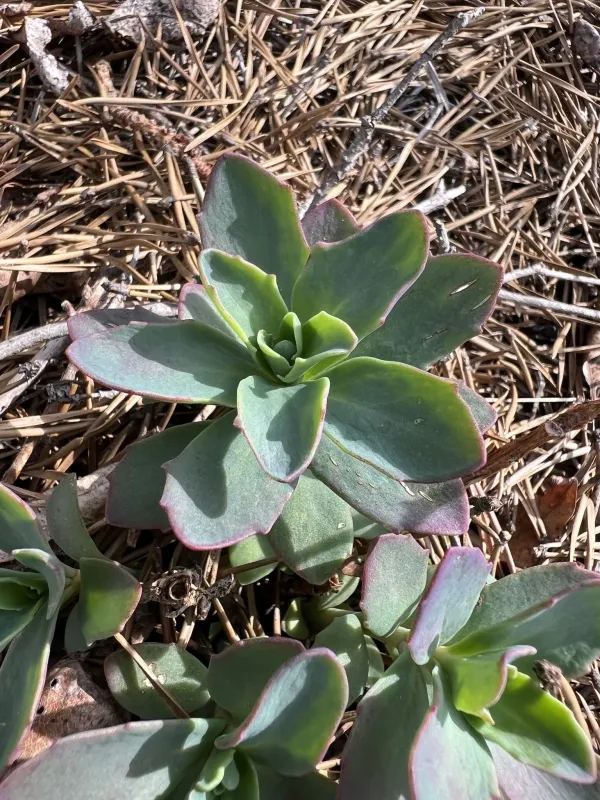
Description
Sowing dates
Hylotelephium telephioides, a member of the Crassulaceae family, is predominantly propagated through vegetative methods such as division of established clumps or stem cuttings. Spring is the ideal time to perform these operations, coinciding with the beginning of the active growth phase.
When using cuttings, allow them to callus for a few days in a shaded area before planting them into a well-draining, sandy substrate. This precaution significantly reduces the risk of fungal rotting at the base of the cutting.
Seed propagation is possible but requires a cold stratification period to break dormancy. Seeds are sown on the surface of a light seed-starting mix, then kept at cool temperatures for several weeks before being moved to warmer conditions for germination.
Transplanting into the field is carried out once the threat of late spring frosts has completely passed. The young plants establish quickly and require minimal intervention once they have fully developed their root systems.
For commercial or landscaping purposes, spacing should be adjusted to allow for adequate airflow between plants, which is crucial for preventing humidity-related diseases in dense plantings.
Growing requirements
This species thrives in full sun exposure, which is necessary to maintain the structural integrity and characteristic coloration of the foliage. Partial shade is tolerated but often leads to etiolated, weaker stems.
The ideal soil is gritty, well-draining, and moderately fertile. The plant is highly adaptable and can survive in poor soils where other plants struggle, provided there is no standing water to compromise the roots.
Watering requirements are relatively low, as the plant acts as a succulent, storing water within its thickened leaves. Regular irrigation is only needed during the initial establishment period or prolonged droughts.
Hylotelephium telephioides is exceptionally hardy and can withstand freezing temperatures without specific protection. Its seasonal cycle involves the die-back of aerial parts in winter, with new growth emerging from the roots in spring.
Avoid excessive fertilization, as high levels of nitrogen result in overly succulent, soft tissue that is more susceptible to environmental stress and opportunistic pests.
Main diseases and pests
The most common issues encountered during cultivation are related to moisture management. Root rot and stem rot are frequent complications in waterlogged soil, emphasizing the need for excellent drainage.
Aphids can be a significant nuisance, particularly on new, tender growth during the early summer months. Integrated pest management, including the use of insecticidal soaps, is usually sufficient for control.
Powdery mildew may manifest as a white, powdery layer on the leaves if humidity levels are high and air circulation is stagnant. Fungicidal treatments should be applied at the first sign of symptoms.
Slugs and snails may cause minor cosmetic damage to the leaves during rainy seasons. Barrier methods, such as gravel mulching, often provide adequate deterrence against these mollusks.
Maintaining a clean cultivation area by removing dead foliage and debris in the autumn helps reduce the overwintering population of pests and the spread of pathogens for the following season.