
Siebold's stonecrop
Hylotelephium sieboldii
Description
Sowing dates
Propagation of Hylotelephium sieboldii is most effective through stem cuttings or division of the root system, which should be performed during the active growing season.
Cuttings should be allowed to callus for a day or two before being inserted into a well-draining, sandy potting mix to prevent rot and encourage root development.
Seeds can also be used for propagation, though they require surface sowing and consistent moisture during the germination process, which can be somewhat lengthy.
Once established, plants can be transplanted into their permanent garden location, provided the soil is loose and allows for quick drainage of water.
Spacing should be managed to ensure that each plant has enough room to spread its foliage, which helps maintain plant vigor and prevents overcrowding issues.
Growing requirements
Siebold's stonecrop belongs to the Crassulaceae family and is native to Japan, where it typically grows on rocky outcrops and cliffs.
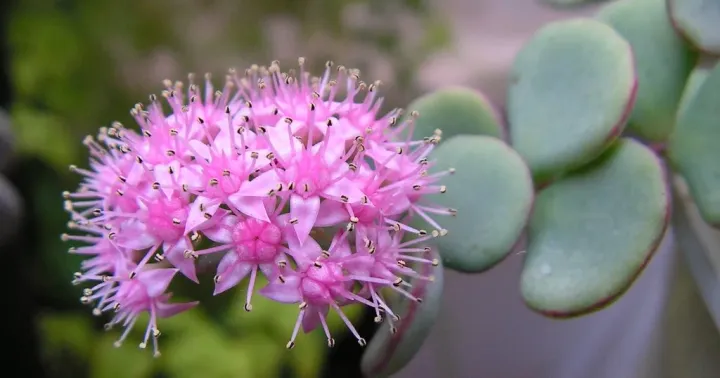
It thrives in full sun, which enhances its unique blue-green leaf coloration and encourages the production of terminal flower clusters during late summer.
The soil must be well-drained, preferably rocky or gritty, as this plant is highly susceptible to root damage if left in waterlogged conditions.
As a drought-tolerant succulent, it requires very little maintenance, needing only occasional watering during prolonged hot and dry periods.
The plant is hardy in many climates but benefits from a layer of mulch or protection in areas where winters involve severe freezing and thawing cycles.
Main diseases and pests
Root rot is the most significant threat to Siebold's stonecrop, caused primarily by poor soil drainage and excessive soil moisture during the dormant season.
Mealybugs can occasionally infest the plant, hiding in the leaf axils, where they feed on plant sap and lead to yellowing or stunted growth.
Fungal leaf spot diseases can occur if the foliage remains wet for extended periods, making proper air circulation an essential part of plant care.
Slugs and snails may browse on the succulent leaves, especially during wet weather, which can disfigure the plant and create entry points for pathogens.
Regular inspection and the use of appropriate pesticides or cultural controls, such as removing debris from around the base, are effective strategies to prevent loss.