
Hylotelephium ruprechtii
Hylotelephium ruprechtii
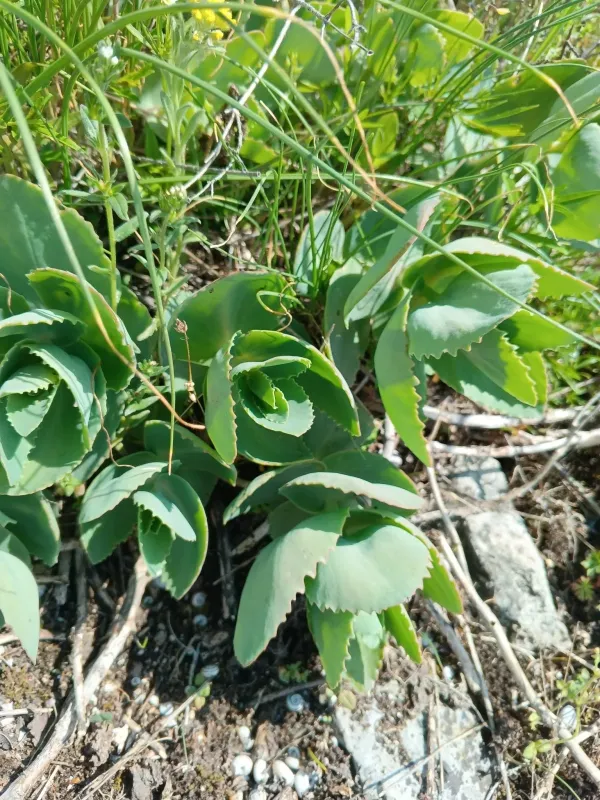
Description
Growing requirements
Hylotelephium ruprechtii is a member of the Crassulaceae family, known for its resilience as a perennial succulent. It originates from East Asia, specifically thriving in rocky and well-drained environments, which has shaped its physiological adaptations to drought.
The plant is highly valued for its thick, water-storing leaves, which allow it to survive in harsh, arid conditions. It requires full sun exposure to maintain its structural integrity and encourage the production of its signature dense clusters of flowers.
In terms of soil, it prefers lean, gritty, or sandy compositions that drain water rapidly. Heavy clay soils are generally unsuitable unless amended significantly with gravel or pumice to prevent root asphyxiation during wet periods.
Climate-wise, it is exceptionally hardy and capable of tolerating cold winters typical of its natural range. It does not require intensive irrigation, as overwatering is the most common cause of failure for this species in managed settings.
Maintenance is minimal, typically limited to cleaning up debris in late autumn or early spring. Because it is a natural nectar source, it plays a beneficial role in the local ecosystem by attracting bees and other essential pollinators.
Main diseases and pests
Aphids and mealybugs are the primary insect pests affecting Hylotelephium ruprechtii. These insects aggregate on the undersides of leaves and at the base of the stems, where they extract sap and stress the plant's metabolism.
Root rot is the most devastating disease, almost always triggered by poor drainage or excessive humidity around the root crown. Once established, it is difficult to treat, making preventative drainage measures the most effective strategy.
Fungal leaf spots can occur when air circulation is poor, particularly during prolonged rainy spells. Providing sufficient spacing between plants helps keep the foliage dry and minimizes the risk of pathogens taking hold.
Slugs and snails can consume young, succulent tissues, causing disfigurement. Control involves maintaining a tidy planting site and using physical barriers or organic baits to protect the vulnerable growth points of the plant.
Monitoring the foliage for signs of chlorosis or sudden wilting is essential for early detection of issues. By prioritizing proper site selection and soil structure, the incidence of these threats is significantly reduced without chemical intervention.