
Hylotelephium pluricaule
Hylotelephium pluricaule
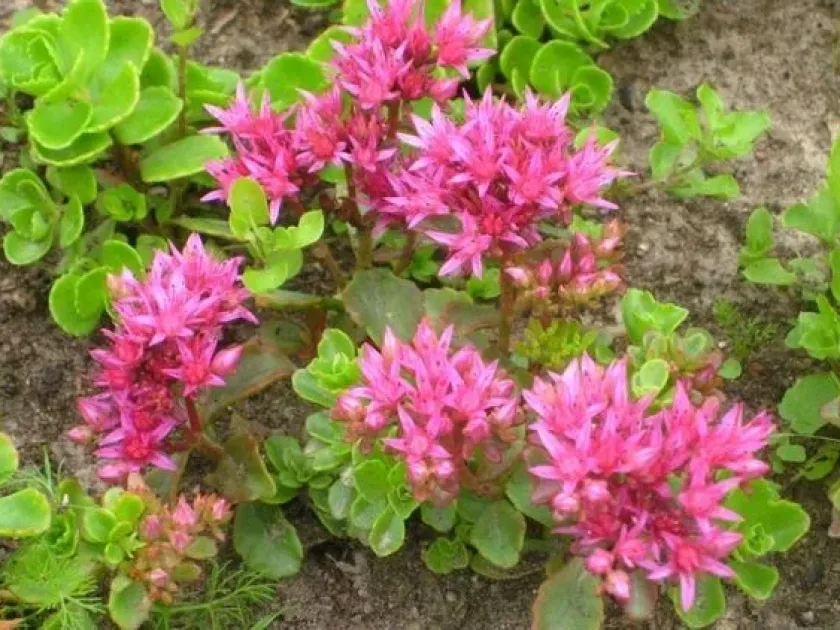
Description
Growing requirements
Hylotelephium pluricaule, commonly known as stonecrop, is a succulent perennial plant belonging to the Crassulaceae family. It is native to rocky environments in the Russian Far East and Japan, which explains its high tolerance for harsh, cold climates.
This crop thrives in open, sunny locations where it receives at least six hours of direct sunlight. Providing adequate light is crucial for maintaining the plant's characteristic compact, mat-forming growth habit and vivid leaf coloration.
The soil requirements for this species are specific: it demands excellent drainage. While it can adapt to various soil types, a gritty or sandy medium that mimics its natural rocky habitat is ideal for promoting vigorous root development and preventing waterlogging.
Botanically, the plant features fleshy, succulent leaves arranged in dense rosettes. Its growth pattern is creeping and spreading, making it a highly valued ground cover that effectively prevents soil erosion on uneven surfaces or steep terrain.
In agricultural and ornamental use, Hylotelephium pluricaule is highly prized for its low-maintenance nature. It is widely used in rock gardens, green roofs, and dry-stone wall landscaping, where its resilience to drought and temperature extremes is a significant advantage.
Main diseases and pests
The most common threat to the health of this succulent is excessive moisture, which leads to root rot and crown rot. When the growing medium becomes waterlogged, the fleshy tissues quickly succumb to fungal pathogens, necessitating urgent drainage improvements.
Insect pests, such as aphids and mealybugs, can periodically infest the foliage during warm growing seasons. These pests feed on the nutrient-rich sap, potentially stunting growth and weakening the plant's structural integrity if left unmanaged.
To mitigate the risk of pest infestation, gardeners should practice regular monitoring and apply organic or synthetic insecticidal soaps when the first signs of activity are spotted. It is important to treat the plants carefully to avoid damaging their waxy cuticle.
Preventing fungal disease is primarily a matter of cultural management: ensuring perfect drainage and allowing the substrate to dry out between waterings. Removing any dead or decaying plant material helps prevent the buildup of pathogens near the crown.
With correct placement and minimal human intervention, this crop remains remarkably healthy year-round. Its evolutionary adaptations allow it to survive where many other ornamental crops would fail, confirming its status as a robust agricultural and landscaping choice.