
Blue stonecrop
Hylotelephium cyaneum
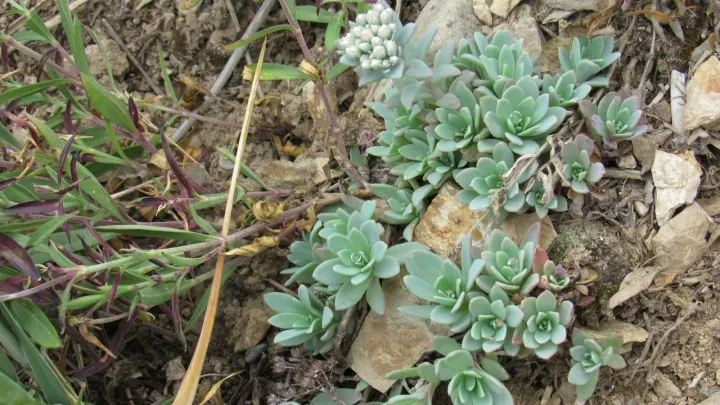
Description
Sowing dates
Blue stonecrop is primarily propagated by vegetative methods, such as cuttings or dividing the root clump, which ensures high survival rates. The optimal time for planting is spring, once the threat of night frosts has passed, or early autumn to allow for better rooting before winter.
The seeds of this culture are extremely small, so they should not be buried when sowing, but rather gently pressed into the substrate. For germination, surface sowing in a light, sandy soil is required, along with maintaining stable humidity under glass or plastic film.
The plant handles transplantation well if performed with a root ball intact. In terms of agronomy, blue stonecrop is low-maintenance, but when planting cuttings, one should avoid excessive moisture, which can lead to rot during the initial weeks of establishment.
The choice of location must account for the light-loving nature of this succulent from the Crassulaceae family. Intense sunlight is key to developing the characteristic blue-grey hue of the leaves, which tends to fade under significant shade.
The spacing between plants for mass planting is typically 15 to 20 centimeters. This allows the crop to close its ranks quickly, creating a dense, ground-covering mat that effectively suppresses the development of weeds within the area.
Growing requirements
This crop, belonging to the Crassulaceae family, originates from the mountainous regions of Eastern Siberia and the Far East, which determines its high winter hardiness. It is perfectly adapted to temperate climates and capable of enduring severe winters without extra covering.
Blue stonecrop prefers poor, rocky, or sandy soils with excellent drainage. Stagnant water is detrimental to the plant's root system, so in heavy clay soils, it is mandatory to install a drainage layer consisting of gravel or coarse sand.
The plant possesses strong drought resistance due to the succulent nature of its leaves, which store moisture. Regular watering is only necessary during active growth periods or prolonged summer droughts; otherwise, it is perfectly satisfied with natural precipitation.
Blue stonecrop is a sun-loving plant that requires open, well-lit areas. Under conditions of light deficiency, the plant's stems become elongated, losing their compact decorative form and taking on a pale, non-typical appearance.
The plant has minimal requirements for soil fertility. Excessive application of organic fertilizers, such as manure or compost, can be harmful as it leads to overgrowth of stems, loss of structural form, and a decrease in the plant's overall endurance.
Main diseases and pests
The main threat to this culture is excessive soil moisture, which leads to the development of fungal root rot. If water accumulates in the soil, drainage of the site must be addressed immediately to save the planting.
Pests rarely affect blue stonecrop; however, in hot seasons, aphids or weevils may settle on the succulent leaves. For control, systemic insecticides are applied, provided the dosage is strictly followed to avoid damaging the plant's delicate tissue.
In densely packed plantings with poor air circulation, powdery mildew may develop. Prevention involves thinning out the plants and removing old or dead foliage, where fungal spores can remain dormant.
Slugs and snails can cause mechanical damage to the leaves, especially during rainy summers. It is recommended to use physical barriers around the plantings or apply specialized molluscicide treatments in case of severe infestations.
Regular inspection of the plants allows for the early detection of threats. With proper site selection and adherence to a balanced irrigation regimen, blue stonecrop demonstrates excellent disease resistance and remains a reliable and easy-to-grow species.