
Hylotelephium caucasicum
Hylotelephium caucasicum
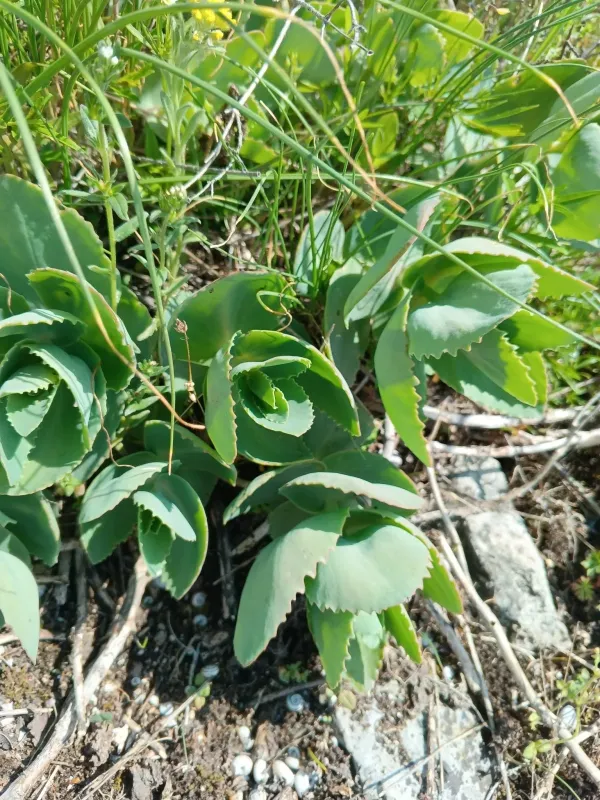
Description
Sowing dates
Hylotelephium caucasicum is a perennial herbaceous plant belonging to the Crassulaceae family. It is most commonly propagated through vegetative methods, specifically by dividing mature clumps or using stem cuttings, which root easily in well-drained media.
Seed propagation is also possible but requires stratification. Sowing is typically performed in early spring under controlled indoor conditions, maintaining a temperature range of 18-20 degrees Celsius to ensure uniform germination.
Transplanting seedlings to open fields should occur after the last spring frost. Spacing of 20-30 centimeters between plants is essential to allow for proper airflow and space for the foliage rosettes to spread effectively.
The selection of an appropriate site is critical; the plant thrives in full sunlight, which encourages dense growth and healthy foliage. Shaded areas should be avoided as they significantly weaken the plant's structure.
The crop remains productive for several years on the same plot. Periodic rejuvenation of the plantation through division helps to maintain plant vigor and prevent the depletion of soil nutrients around the root zone.
Growing requirements
The plant requires light, well-draining, and slightly alkaline or neutral soil. Heavy, clay-based soils that retain too much water are unsuitable and often lead to root decay and various fungal pathogens.
As a succulent species, it is highly drought-tolerant. Irrigation should be minimal and focused only on sustaining the plant during prolonged dry spells; during normal weather, natural precipitation is usually sufficient.
Hylotelephium caucasicum exhibits strong tolerance to a wide range of temperatures, including cold winters. However, ensuring good drainage is vital during the winter months to prevent stagnant water from causing damage to the root crown.
Fertilization should be handled with caution, applying low-nitrogen complex fertilizers only in the spring. Over-fertilization can result in lush, weak growth that makes the plant more susceptible to diseases and pests.
Regular weed control is necessary, especially during the establishment phase, as the plant does not tolerate competition from weeds for water, nutrients, and sunlight in the early stages of growth.
Main diseases and pests
The main threats to this crop include fungal diseases, particularly root rots and powdery mildew, which are almost always associated with improper irrigation management or poor soil drainage.
Pests such as aphids and nematodes can cause significant damage. Aphids typically infest the tender growth, sucking sap and weakening the plant, while nematodes attack the roots, stunting overall development.
Implementing an integrated pest management strategy is highly recommended. This includes crop rotation, avoiding the use of contaminated tools, and ensuring that all initial planting material is certified as disease-free.
Prophylactic measures involve keeping the area free of plant debris that can harbor pathogens over the winter. Pruning away infected parts promptly can prevent the further spread of disease within a plantation.
The use of chemical treatments should be limited to avoid toxicity, especially when the crop is intended for medicinal use. Biological control agents are preferred for maintaining a healthy and safe production environment.
Harvesting
Hylotelephium caucasicum is primarily valued for its medicinal properties, specifically its potential as a biostimulant. Harvesting of the aerial parts occurs during the peak flowering stage when active compound levels are at their maximum.
When collecting the material, stems should be cut carefully, ensuring that the base of the plant remains intact to allow for regrowth. This sustainable harvesting practice helps preserve the integrity of the stand for future yields.
Post-harvest processing involves drying the raw material in well-ventilated, shaded areas at temperatures not exceeding 45 degrees Celsius. This ensures the preservation of the essential organic acids and glycosides.
Beyond its pharmaceutical utility, the plant is widely used in landscape architecture. Its hardy nature makes it an excellent choice for rock gardens, dry slopes, and green roofs, where it provides both aesthetic value and erosion control.
Proper storage of the dried product is essential to prevent moisture absorption, which can lead to spoilage. Using airtight, dark containers is recommended to maintain the quality of the harvested medicinal raw material.