
Crassula vaillantii
Crassula vaillantii
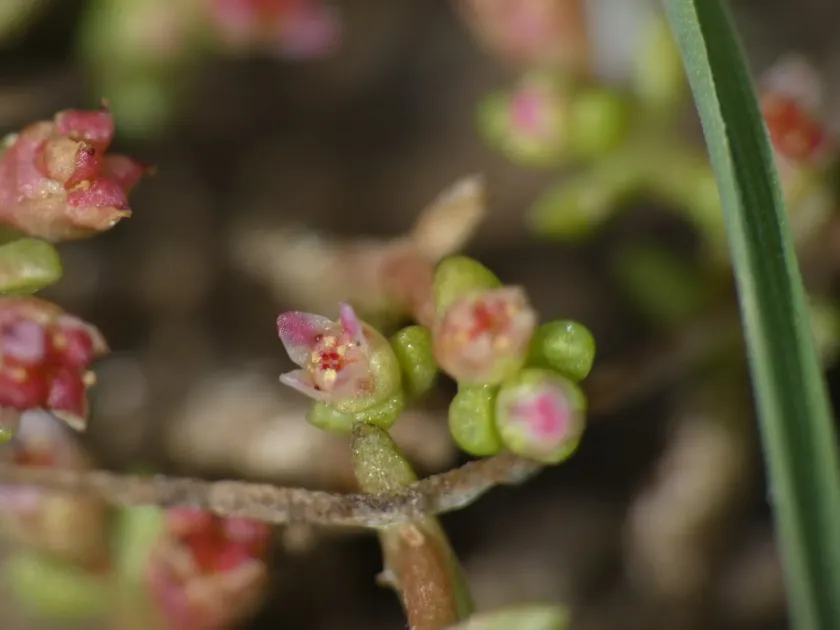
Description
Growing requirements
Crassula vaillantii, belonging to the Crassulaceae family, is a small annual herbaceous plant known for its adaptation to ephemeral wetland environments.
Unlike standard succulents, this species is typically found in seasonally wet areas such as pond margins or damp grasslands, which dictates its specific hydrological needs.
The plant thrives in well-lit, sunny positions where the substrate remains consistently moist but not stagnant for long periods during the active growth phase.
Soil requirements focus on lightweight, sandy, or loamy textures that offer high porosity, allowing for root aeration despite the frequent need for moisture.
Cultivation practices involve carefully monitoring the evaporation rates and mimicking the natural hydrological cycle to prevent premature senescence of the plant population.
Main diseases and pests
Fungal pathogens represent the primary threat to Crassula vaillantii, especially when cultivation occurs in environments with poor air circulation and high humidity.
Common succulent pests, such as aphids and spider mites, can severely damage the plant's delicate stems and leaves, leading to reduced vigor and stunted growth.
Competition from faster-growing weed species is a critical concern, as the plant's diminutive size makes it highly susceptible to being overshadowed in agricultural settings.
Abiotic stresses, including rapid temperature fluctuations or sudden shifts in soil pH, can trigger physiological disorders that negatively affect the plant's survival.
Effective management requires strict sanitation protocols to ensure that protective measures against insects do not inadvertently cause chemical toxicity to the plant's sensitive tissues.