
Crassula tomentosa
Crassula tomentosa
Description
Growing requirements
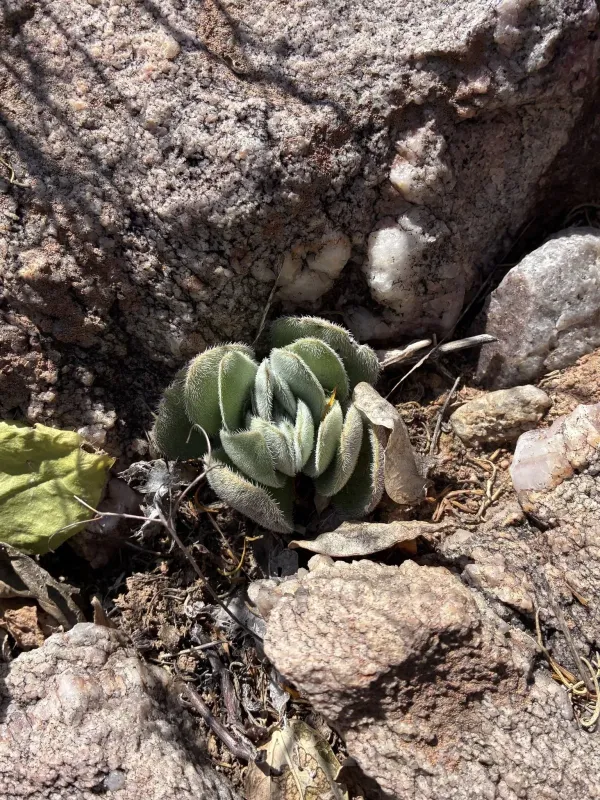
Crassula tomentosa is a notable succulent species belonging to the Crassulaceae family. It is recognized for its unique, dense, and hairy foliage, which provides a distinctive appearance compared to other Crassula species.
Native to the arid regions of Southern Africa, this plant has evolved to thrive in rocky, nutrient-poor soils with significant exposure to direct sunlight and periodic drought conditions.
In terms of agricultural requirements, it needs a well-draining substrate composed primarily of inorganic material, such as coarse sand, gravel, and pumice, to prevent moisture accumulation.
The plant thrives in warm environments, preferring daytime temperatures between 20°C and 25°C. During the vegetative cycle, adequate ventilation is crucial to maintain structural integrity and prevent etiolation.
Its primary use is ornamental. Crassula tomentosa is a prized specimen for xeriscaping in Mediterranean climates and is frequently cultivated as a container plant by succulent enthusiasts worldwide.
Main diseases and pests
The most significant threat to the health of Crassula tomentosa is overwatering, which typically leads to root rot caused by various soil-borne pathogens like Phytophthora and Pythium.
High relative humidity and poor air circulation often lead to fungal infections on the leaves and stems, which can rapidly spread and destroy the succulent rosettes.
Common pests include mealybugs, which are notoriously difficult to control on hairy succulents because the fine hairs protect the insects from direct contact with many topical treatments.
Aphids may occasionally attack the flowering stalks, causing deformation of the inflorescences and creating conditions for the growth of sooty mold due to the secretion of honeydew.
Effective management strategies include maintaining a strict dry period during winter months and utilizing systemic insecticides when infestations are detected early in the growth stage.