
Sieber's Crassula
Crassula sieberiana
Description
Growing requirements
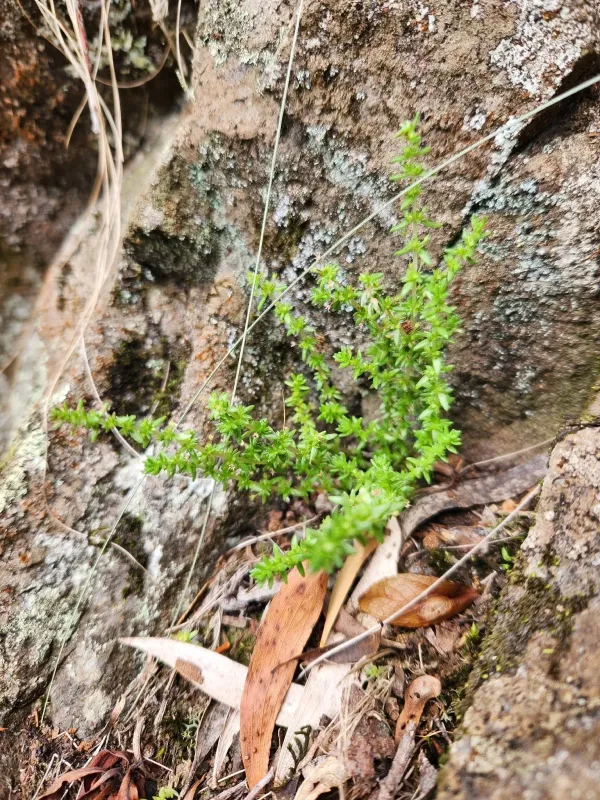
Sieber's Crassula is a small herbaceous succulent belonging to the Crassulaceae family. Native to Australia, this plant has evolved to thrive in harsh environments, often found in rocky crevices and poor soils where moisture is limited and sunlight is abundant.
Botanically, the plant is characterized by its succulent, fleshy leaves arranged in compact rosettes. These structures are adapted to store water during arid periods, allowing the plant to sustain itself when environmental moisture levels are insufficient for traditional flora.
The cultivation requirements for this species focus on excellent soil aeration and drainage. It thrives in gritty, sandy substrates that prevent water retention, which is the most common cause of failure in growing this species, as it is highly susceptible to root rot in waterlogged conditions.
Regarding climate, this Crassula prefers bright light and moderate temperatures. It is well-suited for temperate climates and can be grown outdoors in well-draining garden beds or in pots where it can be protected from excessive winter moisture and frost.
In terms of economic and decorative use, it is primarily appreciated by succulent collectors and landscape designers. Its ability to grow in confined spaces makes it an excellent choice for rock gardens, miniature landscapes, and container arrangements that mimic arid habitats.
Main diseases and pests
Fungal diseases are the primary threat to Sieber's Crassula, particularly those triggered by excessive humidity. When the foliage remains damp or the soil fails to dry out between watering cycles, the risk of crown and root rot increases significantly, often leading to rapid plant decay.
Mealybugs represent the most significant pest pressure for this plant. These insects cluster in the axils of the leaves, feeding on plant sap. Their presence causes the plant to weaken and lose its structural integrity, necessitating manual removal or specialized systemic insecticide treatments.
Spider mites can also attack the plant, especially in indoor conditions with low humidity. Symptoms include a loss of leaf color and the appearance of fine webbing, which requires immediate quarantine of the affected plant and an increase in atmospheric humidity to control the mite population.
To mitigate health issues, proper ventilation is essential. Stagnant air encourages fungal growth and creates a favorable environment for pests; therefore, ensuring adequate spacing between plants and maintaining good airflow is a standard preventative agronomic practice.
Maintaining a balanced feeding schedule is also critical. Over-fertilization with high-nitrogen products leads to succulent growth that is overly tender and more attractive to pests, therefore it is recommended to use diluted, low-nitrogen fertilizers specifically designed for succulents during the growing season.