
Crassula setulosa
Crassula setulosa
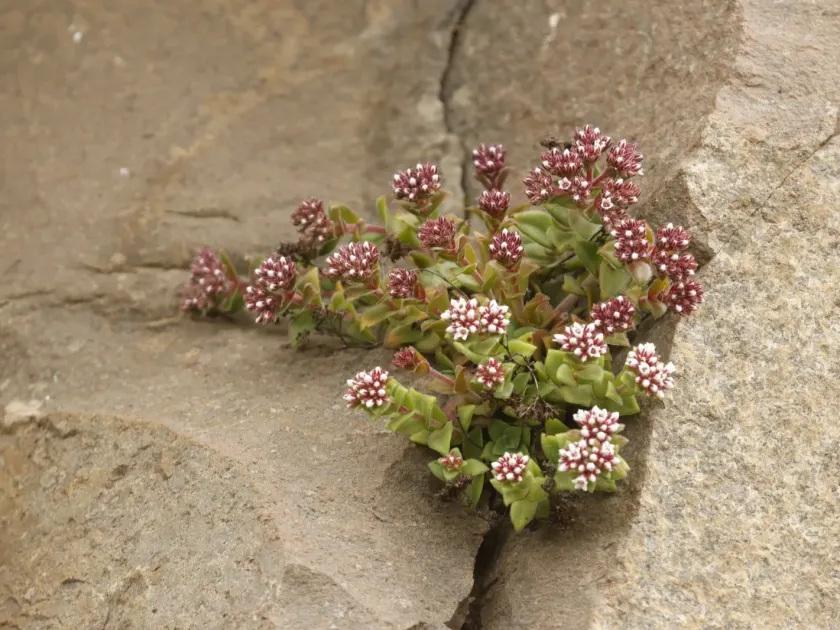
Description
Growing requirements
Crassula setulosa is a fascinating succulent species belonging to the Crassulaceae family. Native to the rocky mountainous regions of South Africa, this plant has adapted to survive in harsh conditions with limited soil and irregular water supply.
The plant features compact rosettes of leaves that are often characterized by fine hairs or bristles, giving it a unique textured appearance. It is a slow-growing species, making it an excellent choice for rock gardens or miniature indoor arrangements.
Success in cultivation requires bright, indirect light. While it can tolerate some direct morning sun, intense afternoon rays may scorch the foliage. Proper lighting is crucial for maintaining its compact, low-profile growth habit.
The soil must be exceptionally well-draining. A mix consisting of cactus potting soil amended with pumice, perlite, or coarse sand is recommended to ensure that water does not sit around the delicate root system for extended periods.
Watering should be approached with caution, following the soak-and-dry method. During the active growing season, allow the soil to dry out completely between waterings. In the winter months, reduce watering significantly to promote dormancy.
Main diseases and pests
Root rot is the most significant threat to Crassula setulosa, typically caused by waterlogged soil. Ensuring a porous substrate and adequate drainage holes in the container is the best preventative measure against this condition.
Mealybugs are common pests that thrive in the crevices of the dense rosettes. Regular inspections and the application of horticultural oils or neem oil can effectively control an infestation if detected early.
Spider mites may occasionally occur, especially in low-humidity environments. Increasing airflow and occasionally misting the surrounding area (not the plant directly) can help deter these pests from settling.
Scale insects can attach themselves to the stems and leaf bases, drawing nutrients from the plant. Manual removal with an alcohol-soaked swab is often sufficient for small populations before they become a systemic issue.
Fungal leaf spot diseases may appear if the plant is kept in high-humidity conditions without adequate ventilation. Keeping the foliage dry and ensuring good air circulation is essential for the plant's overall health and vitality.