
Crassula schimperi
Crassula schimperi
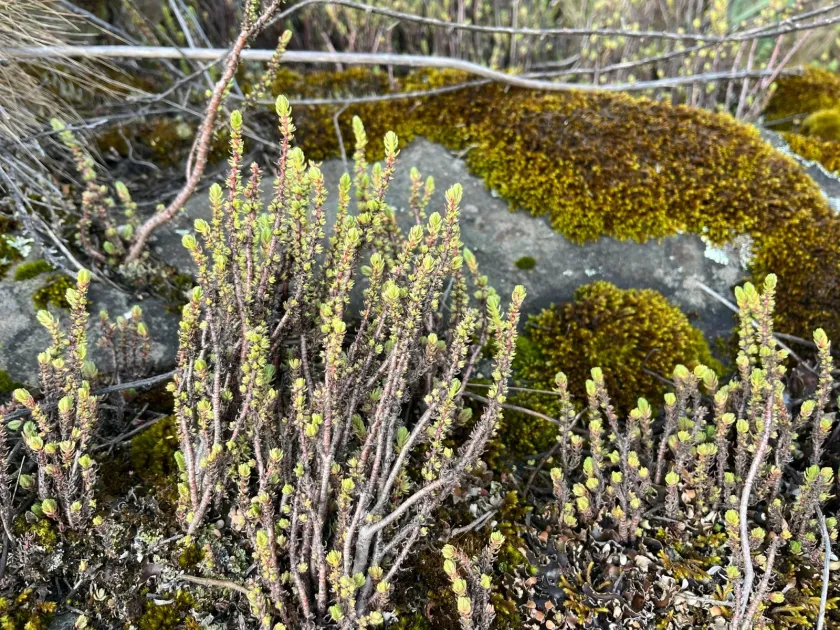
Description
Growing requirements
Crassula schimperi belongs to the Crassulaceae family and is a succulent herb primarily originating from the mountainous regions of East Africa and the Arabian Peninsula. Its evolutionary history has endowed it with specific adaptations to survive in harsh, arid, and high-altitude environments.
The plant exhibits a small, perennial growth habit, forming dense clusters or upright stems adorned with fleshy, succulent leaves. These leaves act as water storage organs, allowing the plant to thrive in regions where precipitation is sporadic and soil moisture is minimal.
Cultivation requirements for this species are centered on well-draining substrates, mimicking its natural stony habitat. A mixture composed of coarse sand, grit, and minimal organic matter is essential to ensure aeration and prevent water stagnation around the root zone.
Regarding climate, Crassula schimperi prefers bright, indirect sunlight and is tolerant of significant temperature fluctuations. It requires a distinct cycle of light and temperature to maintain its structural integrity and prevent etiolation of the stems.
In terms of economic and horticultural use, the species is valued primarily in the ornamental sector. It is a favored choice for xeriscaping, rock garden displays, and niche collections of botanical enthusiasts who appreciate the resilience and aesthetic symmetry of succulent species.
Main diseases and pests
Root rot is the most prevalent threat to Crassula schimperi, typically resulting from overwatering or poorly drained growing media. Once the root system is compromised by fungal pathogens like Phytophthora, recovery is often difficult, necessitating strict moisture management.
Pest infestations frequently include mealybugs, which congregate in the axils of the leaves. These insects feed on plant sap, and their presence can lead to stunted growth and a general decline in the plant's health if not addressed through mechanical removal or targeted treatment.
Spider mites are another significant pest, particularly in environments with low humidity and high temperatures. They damage the leaf epidermis, leaving mottled discoloration that detracts from the plant's ornamental appeal and stresses the specimen.
Aphids may occasionally attack the tender new growth of the plant during the spring season. While less aggressive than mealybugs, they can still cause localized tissue damage and act as vectors for various plant viruses that affect succulent species.
Effective management strategies include regular sanitation of the growing environment and the cautious application of systemic insecticides or miticides when necessary. Maintaining proper airflow around the plants is a critical preventive measure against both fungal outbreaks and insect colonization.