
Crassula saxifraga
Crassula saxifraga
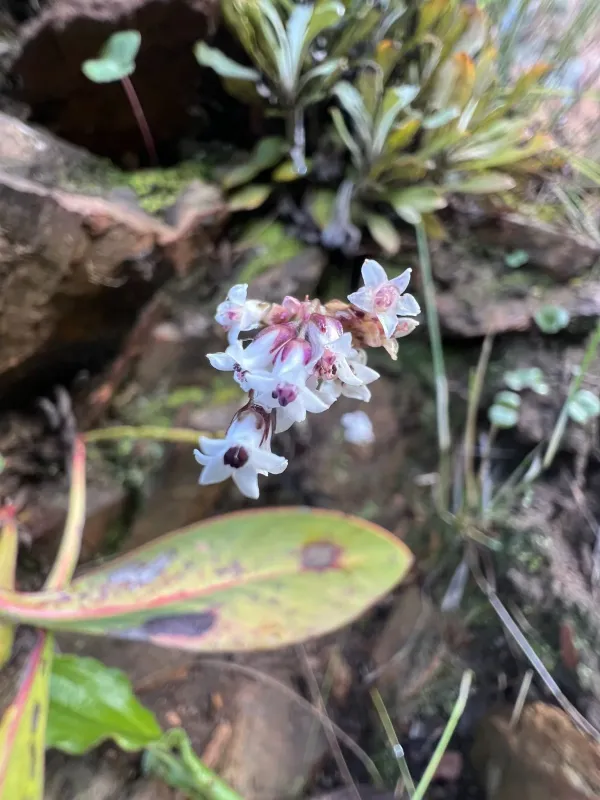
Description
Growing requirements
Crassula saxifraga is a distinct species within the Crassulaceae family, characterized by its compact, tuberous-like root system and specific habitat requirements. Originating from the rocky terrains of South Africa, this succulent has evolved to thrive in nutrient-poor and high-drainage substrates.
The cultivation of this species requires a stable environment with high luminosity. While it tolerates direct sunlight, in controlled agricultural settings, it is best to provide high-intensity LED lighting or bright filtered sunlight to prevent leaf scorch and maintain the plant's characteristic form.
Soil composition is the most critical factor for successful production. A professional substrate must consist of at least 60% inorganic materials, such as pumice, coarse sand, or expanded clay pebbles, to ensure rapid water runoff and prevent root suffocation.
Environmental control requires mimicking the diurnal temperature variations of its native habitat. During the active growing season, temperatures between 20°C and 25°C are optimal, while a distinct drop in temperature during the winter dormant phase is essential for plant vitality.
Irrigation must be precise and infrequent. Agronomists recommend a bottom-watering approach or very controlled edge watering, allowing the substrate to dehydrate completely before the next application to prevent internal stem rot and microbial infections.
Main diseases and pests
Root rot pathogens, specifically Phytophthora species, represent the most significant threat to a crop of Crassula saxifraga. Over-watering and high ambient humidity facilitate the rapid spread of these pathogens, necessitating strict adherence to moisture management protocols.
Mealybugs are the most persistent insect pests affecting this crop. Due to the plant's dense growth structure, these insects often inhabit the tight spaces between leaves, requiring systemic insecticide applications or manual removal to effectively mitigate infestation risks.