
Crassula sarcocaulis
Crassula sarcocaulis
Description
Growing requirements
Crassula sarcocaulis is a distinctive woody succulent belonging to the Crassulaceae family. Native to the high-altitude regions of South Africa, it is widely recognized for its robust nature and its unique ability to withstand varied environmental conditions compared to other members of the genus.
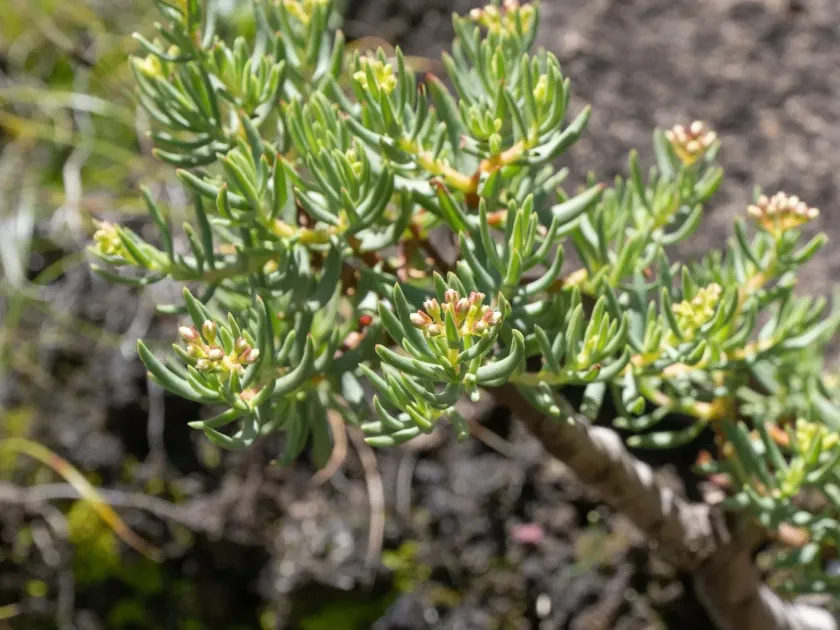
The plant is characterized by its branching, woody stems that give it a miniature tree-like appearance, making it a popular choice for succulent bonsai enthusiasts. Its small, dark green leaves are often tinged with red, and it produces clusters of small, fragrant flowers that typically bloom in late summer.
For optimal growth, this species requires a fast-draining, porous substrate. A mix of pumice, perlite, and coarse sand combined with a small amount of organic potting soil provides the necessary drainage to prevent moisture-related issues, which is critical for the plant's health.
Exposure to full sunlight is essential for maintaining the plant's compact structure. Without sufficient light, the stems become elongated and weak. In temperate climates, providing a period of cool temperatures during the winter months is crucial for inducing dormancy and successful flowering.
Watering requirements follow the seasonal cycle of the plant. During the active growing season, deep but infrequent watering is recommended, allowing the soil to dry out completely. During winter, watering should be significantly reduced to simulate the natural dry season of its habitat.
Main diseases and pests
The primary threat to Crassula sarcocaulis is overwatering, which quickly leads to root rot and collar decay. Maintaining excellent drainage and ensuring adequate airflow around the base of the plant is the most effective way to prevent these detrimental fungal conditions.
Mealybugs are the most common pest observed on this crop, typically congregating in the axils of the leaves. Their feeding activities weaken the plant and can facilitate secondary infections, requiring prompt manual removal or application of systemic insecticidal treatments.
Spider mites may become problematic during periods of low humidity. These pests thrive in dry environments and can quickly cause stippling and disfigurement of the foliage. Regular misting or monitoring the humidity levels can help mitigate this infestation risk.
Scale insects can occasionally attach to the woody stems, draining the plant's resources. Due to their protective outer layer, they are difficult to control; physical removal using an alcohol-soaked swab followed by a systemic insecticide is generally the most effective strategy.
Preventative care, including the use of sterilized soil and avoiding overcrowded conditions, is vital. Monitoring for early signs of disease and ensuring the plant receives adequate ventilation will significantly improve the long-term vigor and overall performance of the specimen.