
Crassula rogersii
Crassula rogersii
Description
Growing requirements
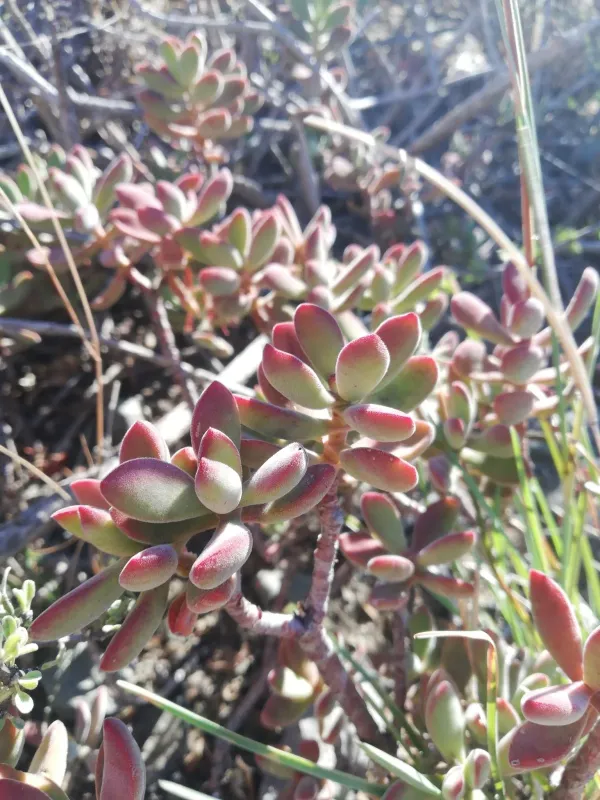
Crassula rogersii is a distinctive succulent species belonging to the Crassulaceae family. It is characterized by its shrub-like growth habit and thick, fleshy leaves that are covered in fine, hair-like trichomes, providing a soft texture.
The plant originates from the arid regions of South Africa. As a crop in cultivation, it requires specific environmental conditions that mirror its natural habitat, particularly regarding exposure to direct sunlight and temperature fluctuations.
The soil requirements focus on excellent drainage and aeration. A porous substrate consisting of coarse sand, perlite, and a small amount of organic matter is ideal for ensuring that water does not accumulate around the roots.
Climate preferences for Crassula rogersii include warm days and cooler nights. It is not frost-tolerant and should be kept in protected environments if the ambient temperature drops below 10 degrees Celsius.
Irrigation must be performed with precision. The grower should apply water only when the growing medium is completely dry. Overwatering is the most common mistake, leading to rapid root rot and systemic collapse of the plant structure.
Main diseases and pests
Mealybugs are the most prevalent pests affecting this species. They frequently hide in the dense clusters of leaves, where they feed on plant sap and can cause stunted growth or the transmission of viral diseases.
Root rot, caused by fungal pathogens such as Pythium or Phytophthora, is a significant threat in poorly ventilated or excessively damp conditions. This leads to the softening of the stem base and leaf drop.
Spider mites may occasionally infest the plant, especially in low-humidity environments. Their presence is usually identified by fine webbing between the stems and yellowing patches on the foliage.
Effective management requires the application of targeted acaricides and insecticides. Integrated pest management strategies, such as physical removal and environment adjustment, should be the first line of defense.
To ensure plant health, regular monitoring of the foliage and stems is critical. Providing adequate airflow helps to minimize the risk of fungal outbreaks and keeps the succulent in a vigorous, growing state.