
Crassula pyramidalis
Crassula pyramidalis
Description
Growing requirements
Crassula pyramidalis is a distinct species within the Crassulaceae family. Native to the arid regions of South Africa, this succulent has evolved to thrive in environments with minimal rainfall and high solar radiation, exhibiting a highly specialized growth form.
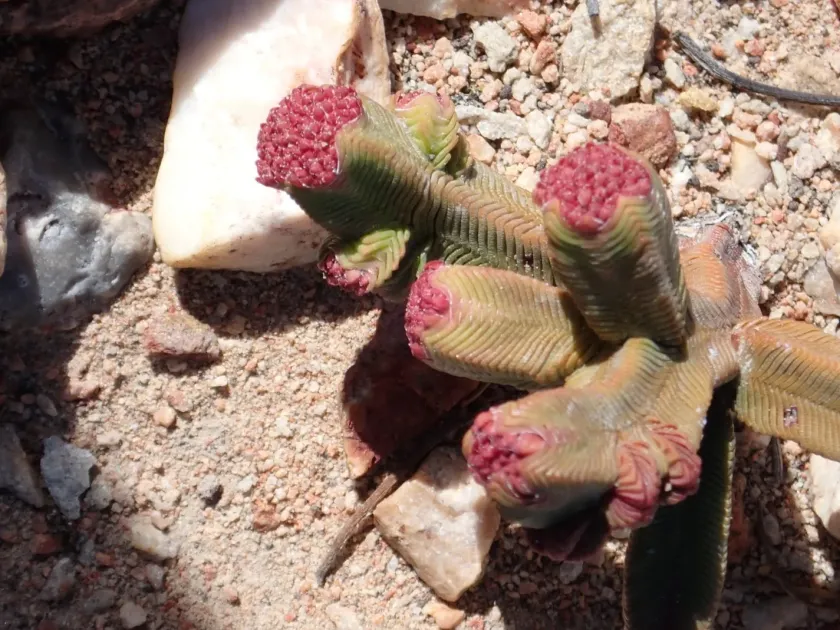
The plant features a unique structural morphology where leaves are stacked tightly in four rows, creating a compact, geometric pyramid or column. This adaptation allows the plant to reduce its surface area exposed to direct sun while maintaining a reservoir of stored water in its fleshy tissues.
Cultivation requires a highly porous, inorganic-based substrate to ensure excellent drainage. A mix comprising coarse sand, pumice, and minimal organic matter is ideal for preventing moisture retention, which is the primary cause of failure in cultivating this specific species.
Regarding light requirements, this plant demands high levels of bright, indirect light or several hours of direct morning sun. Proper lighting is essential to prevent etiolation, which causes the dense, pyramid-like structure to stretch and lose its characteristic aesthetic form.
Environmental conditions should mimic the Mediterranean-like climate of its native habitat. This includes a warm, dry growing season and a cool, dry winter dormant period. During dormancy, watering should be almost completely suspended to trigger the plant's natural metabolic rest.
Main diseases and pests
Root rot remains the most significant threat to the health of Crassula pyramidalis. This condition is almost always the result of overwatering or inadequate soil drainage, leading to the rapid decay of the basal tissues that support the column.
The mealybug is the most problematic pest for this species. These insects reside in the tight gaps between the overlapping leaves, where they are shielded from contact pesticides, making early detection and localized treatment critical for plant survival.
Fungal infections, often manifesting as black spots or tissue softening, can occur if water remains trapped between leaves after overhead watering. It is strongly advised to utilize bottom watering methods or to direct water exclusively to the soil surface around the base.
Spider mites may occasionally infest the plants if the ambient environment remains too dry and stagnant for extended periods. Increasing air circulation and providing periodic gentle misting in hot, dry climates can help mitigate the risk of mite colonization.
To ensure long-term health, growers should practice sterile potting procedures. Using clean, pathogen-free soil components and ensuring that all containers have sufficient drainage holes will significantly reduce the risk of common soil-borne pathogens and physiological stress.