
Crassula pellucida
Crassula pellucida
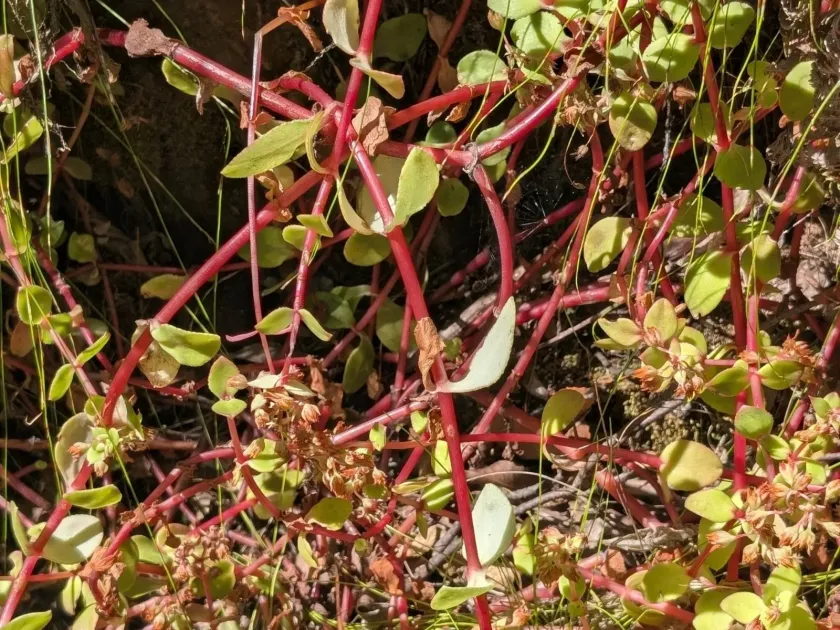
Description
Sowing dates
Propagation of Crassula pellucida is primarily achieved through stem or leaf cuttings. The most favourable time for this operation is during the active spring growth period, ensuring the plant has enough energy to root successfully.
Cuttings should be taken with a clean, sharp blade and left in a dry, shaded area for several days to allow the cut ends to callous. This simple step is vital to prevent soil-borne pathogens from entering the plant tissues during the early rooting phase.
Plant the calloused cuttings into a sterile, well-draining succulent mix, typically composed of peat moss and coarse sand. Ensure the container has adequate drainage holes to prevent water accumulation at the base.
Keep the substrate slightly moist but never waterlogged. Roots generally develop within a few weeks when temperatures remain consistent between +20°C and +25°C in a brightly lit, indirect sunlight location.
Once the root system is established, the new plants can be transferred to individual pots. Gradual acclimatization to brighter conditions will promote healthy stems and vibrant coloration of the foliage.
Growing requirements
Crassula pellucida belongs to the Crassulaceae family, native to Southern Africa. This species thrives in bright, indirect light, though it can tolerate morning direct sun while requiring shade during the hottest parts of the day.
The soil must be porous and inorganic-leaning. A mixture of potting soil, coarse grit, and perlite provides the structure needed to keep roots aerated and prevent the common succulent issue of water stagnation.
Temperature requirements are standard for most succulents: ideal growth occurs between +18°C and +26°C. During the winter dormant period, maintaining a cooler environment near +10°C to +14°C is beneficial for the plant's health.
Watering must follow a drought-and-soak pattern. The plant is drought-tolerant, meaning it is much safer to underwater than to overwater. Always allow the substrate to dry out entirely between irrigation cycles.
Fertilization should be reserved for the active growth season. Use a balanced, water-soluble fertilizer specifically formulated for cacti and succulents at half the recommended strength to avoid burning the root system.
Main diseases and pests
The most frequent threats to Crassula pellucida are fungal pathogens related to root rot, triggered by overwatering or poor soil drainage. These pathogens can cause the plant to collapse rapidly if not detected early.
Mealybugs are the primary insect pest, often clustering in the tight axils of the leaves. They feed on plant sap, causing stunted growth and leaf disfigurement. Their cottony appearance makes them easier to spot during inspections.
Spider mites are common in environments with low humidity. They spin fine webs and cause the foliage to lose its healthy luster and develop small pale stippling, significantly reducing the plant's photosynthetic capacity.
Management involves the use of systemic insecticides for mealybugs and specialized miticides for spider mite control. Ensuring good airflow around the plants helps to reduce the frequency and severity of pest outbreaks.
Regular sanitation of the growing area and prompt isolation of any infested specimen are key to maintaining a healthy collection of this species, preventing the spread of diseases and pests.