
Crassula peduncularis
Crassula peduncularis
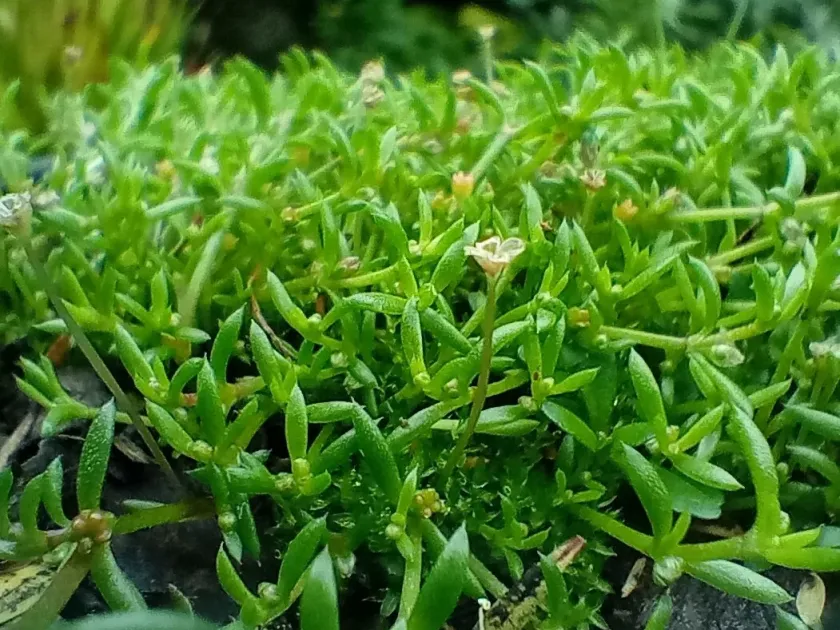
Description
Sowing dates
The sowing season for Crassula peduncularis depends directly on regional climatic conditions and the chosen cultivation method, whether in open fields or protected environments. The optimal time for sowing is during the spring when soil temperatures reach 15–18 degrees Celsius.
To accelerate seed germination, it is recommended to use light, well-draining substrates enriched with coarse-grained sand. The sowing depth must be minimal, as the seeds are quite fine and require sufficient light exposure for successful sprouting.
Once the first true leaves emerge, seedling thinning or transplanting into individual containers or nursery beds should be conducted. Maintaining a stable temperature regime without sharp nocturnal fluctuations is crucial for the development of a robust root system.
In commercial cultivation, seeds are sown using a row method with specific spacing to ensure free air circulation between plants. This practice effectively prevents the development of fungal diseases during the early stages of the crop life cycle.
Hardening the seedlings before transplanting into the main field should begin two weeks prior to the target date. Gradually acclimatizing young plants to direct sunlight and open-air conditions is essential for ensuring their long-term survival and vigor.
Growing requirements
Crassula peduncularis, a member of the Crassulaceae family, requires specific conditions for intensive growth. This crop is highly sensitive to substrate waterlogging, making a high-quality drainage layer an absolute requirement for any planting scheme.
The plant prefers well-lit areas, as a lack of sunlight leads to stem deformation and the loss of its characteristic coloration. In hot climates, light shading during peak daylight hours is advisable to protect delicate tissues from solar scorching.
The soil mixture should have a neutral or slightly acidic pH, being as porous and breathable as possible. Heavy clay soils are strictly unsuitable for growing this species, as they cause rapid decay of the root system.
Moisture availability should be moderate, allowing the topsoil layer to dry out completely between waterings. Excessive moisture accumulation in the root zone creates an ideal environment for rot, which is particularly dangerous during low light periods.
Optimal temperatures for active crop growth range between 20 and 25 degrees Celsius. If temperatures drop below 10 degrees, the plant enters a state of dormancy, which necessitates a significant reduction in irrigation volume.
Main diseases and pests
The primary threats to the crops include root and stem rot, which arise from poor agricultural management. Specifically, stagnant water in trays or inadequate drainage in field conditions facilitate the rapid spread of pathogenic fungi of the genus Fusarium.
Among the pests found on this crop, mealybugs are the most frequent, damaging leaf axils and growth points. They can be identified by a characteristic white, fluffy coating resembling cotton, which spreads rapidly across the plant surface.
Spider mites pose a significant danger in conditions of high air dryness and heat. Their activity results in the appearance of tiny light spots on the leaf epidermis, which ultimately leads to premature leaf drop and decreased commercial value.
Disease prevention consists of maintaining consistent ventilation and disinfecting tools. The use of systemic fungicides is recommended only upon the detection of the first symptoms of infection to minimize losses in product quality.
When pests are detected, the most effective control method involves the application of specialized insecticides and acaricides. Treatments should be performed during early morning or late evening hours to avoid chemical burns on leaves under direct sunlight.