
Crassula orbicularis
Crassula orbicularis
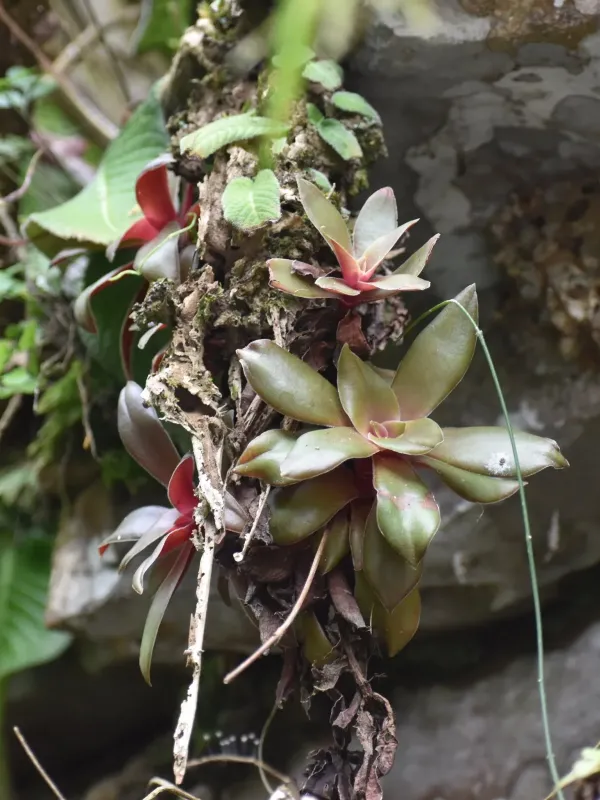
Description
Growing requirements
Crassula orbicularis is a perennial succulent plant belonging to the Crassulaceae family. Native to the rocky terrains of Southern Africa, this species has evolved to thrive in nutrient-poor environments with limited water availability, making it highly resilient.
The plant features distinct rosette-forming leaves that often develop into compact, spreading mats. Its foliage is generally rounded to spatulate in shape, maintaining a lush appearance under optimal light conditions while potentially developing reddish margins when exposed to high solar radiation.
Cultivation requires a well-draining substrate. Growers should utilize a mix consisting of coarse sand, perlite, and well-decomposed organic matter to ensure that water does not stagnate around the delicate root system, which is prone to rot.
Environmental management involves providing bright, filtered light. While the plant can withstand sun, excessive intensity during the heat of the day should be moderated to prevent leaf scorching, which impacts the structural integrity of the succulent tissues.
Thermal requirements for active growth range from 18°C to 25°C. During the dormant winter season, temperatures should be lowered to approximately 12°C to 15°C to mimic natural climate cycles, ensuring the plant remains vigorous for the following growth season.
Main diseases and pests
The primary threats to Crassula orbicularis are fungal pathogens resulting from overwatering or high humidity levels. Root rot is the most significant concern, often leading to rapid collapse of the plant if not addressed early.
Mealybugs and spider mites are the most common pests observed in commercial and home succulent production. These insects pierce the leaf tissue to feed on plant sap, leading to stunted growth and increased susceptibility to secondary infections.
Effective management includes maintaining adequate air circulation around the plants. Proper ventilation helps reduce the humidity levels that often foster mold growth and pest proliferation within dense leaf clusters.
Chemical control should be applied sparingly, focusing on systemic insecticides that do not harm the succulent's sensitive surface tissues. Biological control methods, such as introducing predatory mites, are often preferred in controlled greenhouse environments.
Routine hygiene is essential, including the removal of dead leaves from the base of the rosette to prevent decay. Cleanliness within the growing space is critical to minimizing the risk of infestations and maintaining high crop standards.