
Crassula obovata
Crassula obovata
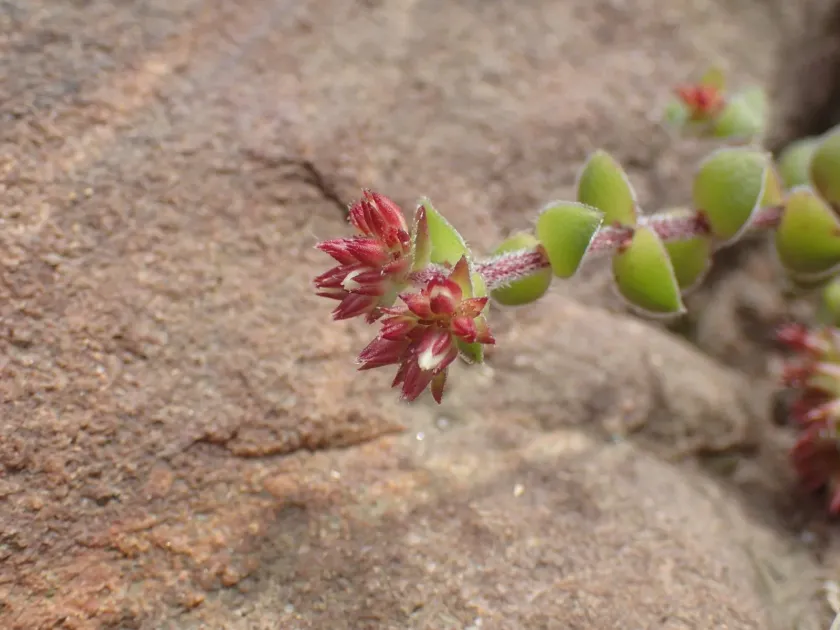
Description
Growing requirements
Crassula obovata is a perennial succulent plant belonging to the Crassulaceae family. It is characterized by its distinct, succulent leaves that store significant amounts of water, allowing it to adapt to arid environments.
The species originates from Southern Africa, where it thrives in rocky landscapes and regions with low rainfall. It is genetically adapted to high levels of sun exposure and extreme fluctuations in day and night temperatures.
The climate requirements for optimal cultivation include bright, indirect to direct light. Temperatures should ideally range between 20°C and 25°C during the growing season, with a drop in temperature during the winter dormant phase.
Soil requirements for this culture involve excellent drainage. A substrate consisting of sandy loam mixed with pumice or coarse grit is recommended to ensure that water does not remain stagnant around the root system.
Agricultural management requires a precise irrigation strategy. Water should only be applied when the substrate is completely dry, which prevents the development of physiological stress and root disorders common in this family.
Main diseases and pests
The main pests affecting Crassula obovata include mealybugs and spider mites. These pests thrive in dry environments and can cause significant damage by draining sap from the leaves, resulting in yellowing and stunted growth.
Fungal infections, particularly root rot, are the most frequent diseases encountered. These are almost exclusively caused by overwatering or poor soil drainage, which promotes the growth of pathogens like Phytophthora.
Integrated pest management involves physical removal of insects using alcohol-based solutions and the application of systemic insecticides when infestations reach economic thresholds.
Disease prevention focuses on environmental control. Improving air circulation, avoiding overhead irrigation, and maintaining a sterile soil environment are the most effective ways to ensure plant health.
Proper hygiene during repotting is essential. Utilizing sanitized pots and fresh, well-draining soil mixes significantly reduces the risk of introducing soil-borne pathogens to the plant population.