
Crassula nemorosa
Crassula nemorosa
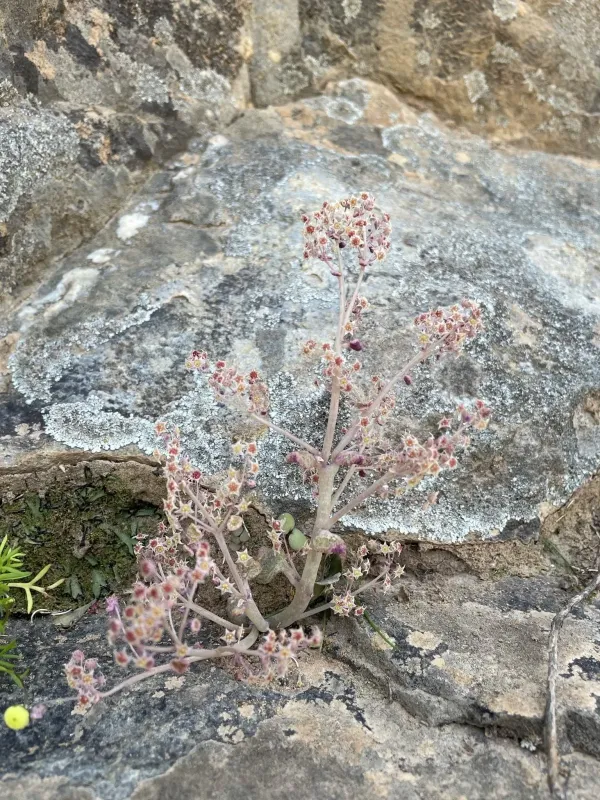
Description
Growing requirements
Crassula nemorosa is a miniature herbaceous plant belonging to the Crassulaceae family. Native to the southern regions of Africa, this species naturally thrives in shaded, moist niches such as rock crevices or under the protection of larger shrubs, which sets it apart from many sun-loving desert succulents.
Botanically, this plant is characterized by its delicate, often patterned leaves and a sprawling growth habit. When cultivated, it requires a well-draining, porous substrate. A mix consisting of equal parts potting soil, perlite, and coarse sand is ideal to prevent moisture accumulation around the sensitive root system.
Regarding climatic requirements, Crassula nemorosa prefers bright, indirect light rather than direct, harsh sunlight. Exposure to intense mid-day sun often leads to scorching and irreversible damage to the leaf tissue, making a sheltered position or filtered light conditions essential for its survival.
Temperature management is crucial, as the plant favors a temperate climate, ideally ranging between 18°C and 24°C. It is not cold-hardy, so it must be protected from temperatures dropping below 10°C to avoid damage to its succulent structures.
In terms of agricultural use, this species is strictly ornamental. It is highly valued by succulent collectors for its unique aesthetic, often being used in terrariums or specialized dish gardens where its natural habit of growing in shaded moist patches can be replicated.
Main diseases and pests
The most significant threats to Crassula nemorosa are root and stem rots, typically caused by improper watering techniques. Keeping the soil constantly waterlogged creates anaerobic conditions that facilitate the growth of various fungi, leading to swift decline and death of the specimen.
Common pests include mealybugs and spider mites. Mealybugs tend to hide in the tight clusters of leaves, making them difficult to detect until an infestation is well-established. They feed on plant sap, which stunts growth and creates entry points for secondary infections.
To control these pests, it is recommended to use targeted systemic insecticides or horticultural oils. Regular physical inspections and cleaning of the leaves can help catch an infestation at an early stage, minimizing the need for heavy chemical intervention.
Excessive humidity combined with poor air circulation can lead to fungal issues such as powdery mildew, which appears as a white, dusty layer on the foliage. Proper ventilation is the primary defense against such conditions, promoting faster drying of the substrate surface.
Maintenance should focus on preventative hygiene. Removing dead or decaying leaves promptly prevents the spread of rot, and ensuring the plant is not kept in overly crowded conditions allows for the necessary airflow to keep the plant healthy throughout the growing season.