
Crassula multicava
Crassula multicava
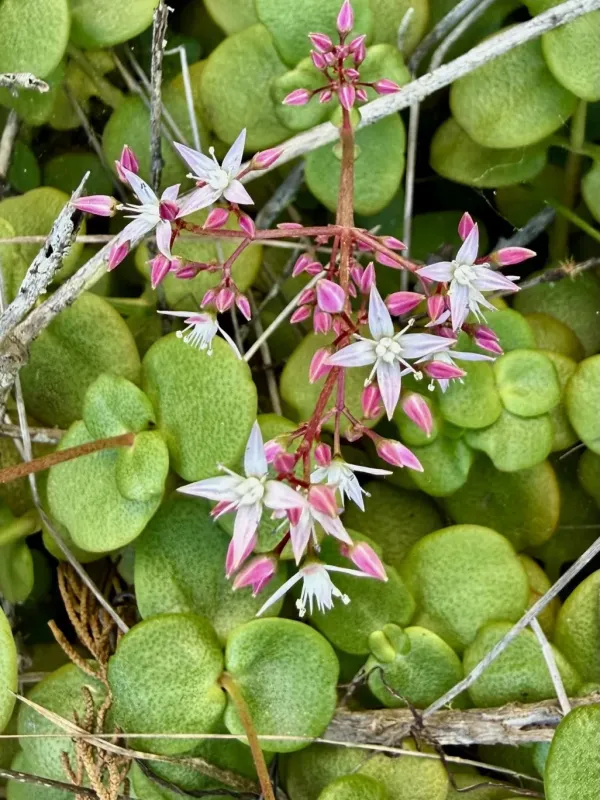
Description
Growing requirements
Crassula multicava, commonly known as the fairy crassula, is a perennial succulent plant belonging to the Crassulaceae family. Native to South Africa, it is widely recognized for its spreading habit and shade-tolerant nature.
The plant thrives in partial shade or bright, indirect light. Unlike many other succulents that require full sun, this species flourishes in protected, shaded environments, making it ideal for under-canopy cultivation.
Soil requirements for this crop focus on excellent drainage. A gritty, porous substrate is essential to prevent water accumulation. Commercially available cactus mixes or homemade blends with grit and sand are recommended.
Climatic requirements involve stable moderate temperatures. It is not cold-hardy and should be kept in frost-free conditions. During the growing season, it benefits from moderate watering, allowing the soil to dry out between sessions.
Horticulturally, it is utilized as a ground cover in tropical and subtropical regions. It possesses a high propagation rate, as it produces numerous plantlets on its inflorescences, allowing for rapid expansion of the cultivation area.
Main diseases and pests
The primary pests affecting Crassula multicava include mealybugs and spider mites. These insects can quickly colonize the succulent's dense foliage, leading to stunted growth and yellowing of the leaves.
Root rot remains the most significant threat to the crop's health. It is primarily caused by excessive soil moisture and poor ventilation, which create favorable conditions for soil-borne pathogens and fungi.
Pest management relies on integrated control strategies. Mechanical removal of mealybugs followed by targeted application of systemic insecticides is often necessary for large-scale infestations.
Disease prevention is centered on proper spacing and irrigation management. Ensuring that the surface of the soil dries out before the next watering session is the most effective way to avoid fungal complications.
Regular monitoring of the foliage and stem base is essential. Early detection of localized rot allows for surgical removal of infected tissues, which can often save the plant if caught before spreading to the main stem.