
Crassula marchandii
Crassula marchandii
Description
Growing requirements
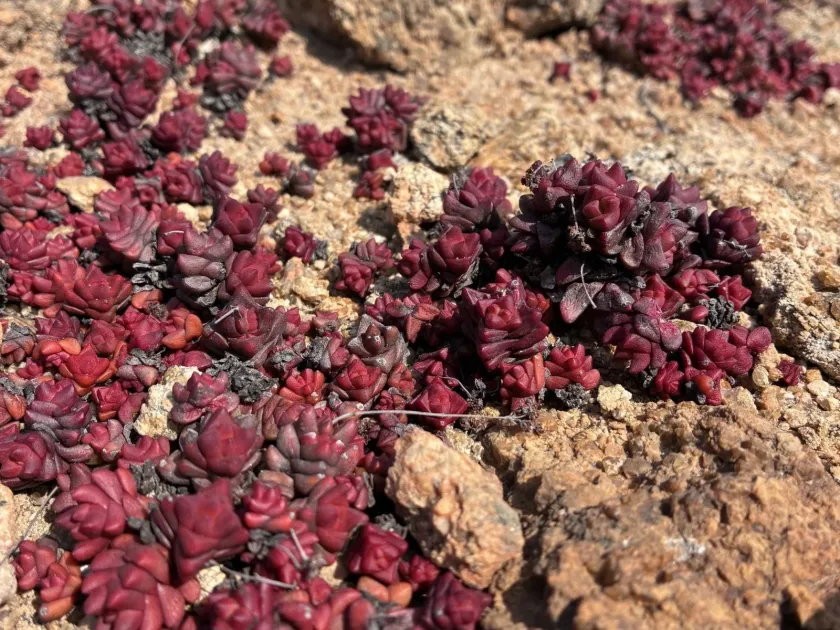
Crassula marchandii is a rare, miniature succulent belonging to the Crassulaceae family. Native to the arid regions of Southern Africa, this species has evolved to thrive in harsh, rocky environments with minimal moisture and intense sunlight.
The plant features small, succulent leaves arranged in dense, compact rosettes. Its slow-growing nature and woody stem formation make it a prized specimen among succulent enthusiasts who focus on xerophytic plants.
For optimal health, Crassula marchandii requires bright, indirect light or direct morning sunlight. In lower light conditions, the plant tends to etiolate, losing its compact form and structural integrity, which makes it less visually appealing.
The soil medium must be highly porous and inorganic to prevent water retention. A mix consisting of pumice, coarse sand, and a minimal amount of potting soil is recommended, always ensuring there is a drainage hole in the container.
Temperature requirements involve keeping the plant in a warm environment (20-25°C) during the growing season. A cooler, dry winter rest period (10-12°C) is essential to mimic the plant's natural habitat and encourage potential flowering.
Main diseases and pests
Root rot, caused by overwatering or poorly draining soil, remains the most significant threat to the survival of Crassula marchandii. Maintaining a strict dry cycle between waterings is the primary defense against this condition.
Mealybugs are the most common pest observed on this species. They hide in the tight crevices between the leaves and feed on the sap, causing growth deformities. Targeted application of contact or systemic insecticides is necessary for removal.
Spider mites may occasionally colonize the plant during hot, dry spells, especially if there is poor airflow. Their presence usually results in discolored, scarred tissue on the surface of the leaves.
Bacterial and fungal infections can occur if the leaves sustain damage while exposed to high humidity. It is vital to keep the foliage dry and avoid getting water inside the rosette during routine watering.
Regular monitoring for early signs of infestation and ensuring adequate air circulation around the rosettes are the most effective strategies for maintaining a healthy and resilient plant collection.