
Crassula lanuginosa
Crassula lanuginosa
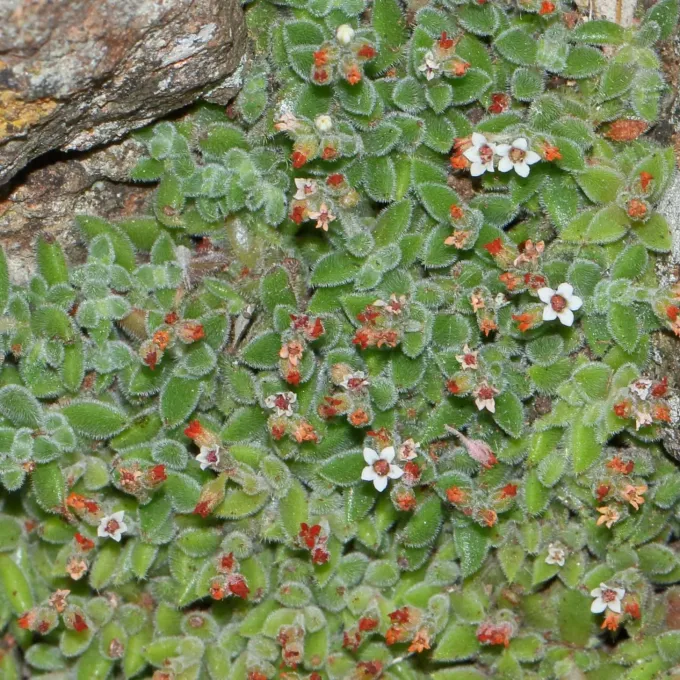
Description
Growing requirements
Crassula lanuginosa belongs to the Crassulaceae family and is recognized for its unique, woolly-textured foliage. Originating from the arid regions of South Africa, this succulent has evolved to thrive in environments with significant light exposure and limited water availability.
This crop requires intense, indirect sunlight to maintain its structural integrity. In an indoor or greenhouse setting, the plant should be positioned where it receives at least six hours of light daily to prevent etiolation and maintain its dense, compact growth habit.
The soil must be highly porous to ensure efficient drainage. A standard mix for Crassula cultivation includes coarse sand, perlite, and a small percentage of organic matter. Proper aeration of the root system is critical to prevent hypoxic conditions.
Temperature requirements involve a warm growing season, preferably between 18 and 24 degrees Celsius. During the winter, the plant benefits from a cooler dormant period, which encourages stronger growth cycles and potential flowering in the spring.
The primary horticultural application of Crassula lanuginosa is as an ornamental species. It is a staple in the nursery industry for succulent arrangements, indoor plant collections, and xeriscaping projects in temperate to warm climatic regions.
Main diseases and pests
The most significant threat to Crassula lanuginosa is root rot, typically caused by waterlogged soil. Once fungal pathogens colonize the root zone due to poor drainage, the plant structure collapses rapidly, making early detection vital for survival.
Mealybugs are the most persistent pest for this species. Their white, waxy secretions and tendency to hide within the leaf axils make them difficult to eradicate without systemic treatments. They cause stunted growth and yellowing of the foliage.
Spider mites represent another biological threat, particularly in environments where air circulation is poor and humidity levels are excessively low. These pests feed on plant cells, leading to visible tissue degradation and reduced plant vigor.
Integrated pest management (IPM) is recommended to control these issues. This involves using physical removal for minor infestations, followed by targeted applications of organic or chemical acaricides and insecticides when necessary.
Standard agronomic practice for disease prevention includes sterilization of potting tools and the use of fresh, pathogen-free growing media. Keeping the surface of the soil dry and ensuring good ventilation significantly reduces the risk of infection.