
Crassula hybrids
Crassula hybrids
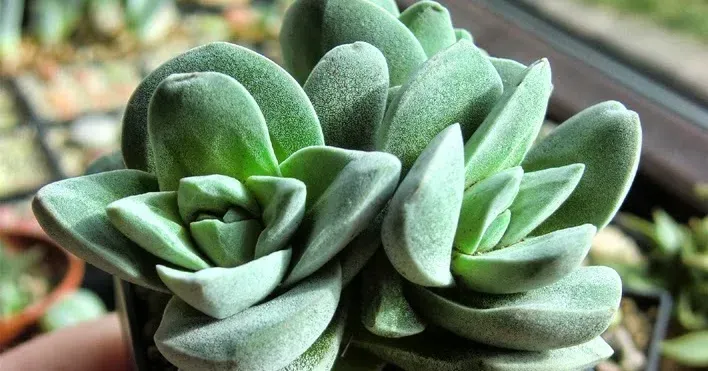
Description
Growing requirements
Crassula hybrids belong to the family Crassulaceae, encompassing a wide range of cultivars developed for their aesthetic foliage and adaptability. These succulent plants are prized for their structural beauty and ease of maintenance in interior environments.
They require bright, filtered light to maintain their compact form and vibrant coloration. Excessive exposure to direct sun can lead to leaf scorching, while deep shade causes weak, etiolated growth that diminishes the plant's structural integrity.
Temperature requirements are standard for most succulents, thriving between 20°C and 25°C. During the dormant winter season, providing a cooler environment between 12°C and 15°C is beneficial for long-term health and seasonal vitality.
Soil composition must prioritize drainage; a gritty mix consisting of pumice, coarse sand, and perlite with a small fraction of organic matter is ideal. Stagnant moisture in the root zone is the primary cause of failure in Crassula cultivation.
Watering practices should follow the soak-and-dry method. It is essential to ensure the potting medium is entirely dry before the next irrigation cycle, especially during low-light winter months to prevent physiological stress.
Main diseases and pests
Root rot is the most significant threat to Crassula hybrids, typically triggered by overwatering or poorly aerated soil. Symptoms include softened stems and the sudden dropping of leaves, requiring immediate intervention.
Mealybugs are common pests that infest the leaf axils and undersides of leaves. Their presence is identified by a white, cottony residue; immediate treatment with insecticidal soap or neem oil is recommended for control.
Spider mites can occur in dry, stagnant air conditions, causing stippling or bronzing of the succulent leaves. Maintaining moderate air circulation and humidity can act as a natural preventive measure against these arachnids.
Scale insects may attach themselves to the stems, feeding on plant sap. These pests are best managed by manual removal with a swab dipped in rubbing alcohol, followed by systematic monitoring of the collection.
Effective plant protection relies on good cultural hygiene, including the sterilization of pots and tools. Identifying issues early prevents the spread of pathogens throughout the succulent display.