
Crassula hemisphaerica
Crassula hemisphaerica
Description
Growing requirements
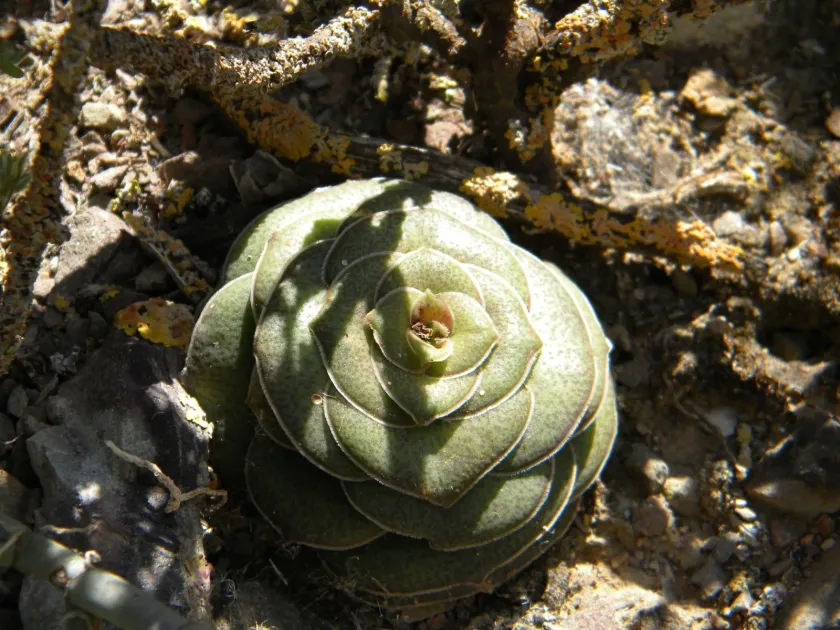
Crassula hemisphaerica is a fascinating succulent belonging to the Crassulaceae family. It is renowned for its unique growth habit, where the leaves are arranged in a tight, overlapping rosette that forms a perfect hemispherical shape.
This species is native to the arid regions of South Africa, particularly the Cape region. It has evolved to thrive in harsh, rocky environments, clinging to cliffs and mountain crevices where nutrients are sparse and water drainage is rapid.
Regarding light requirements, this plant demands high levels of bright, indirect light or full sun. When kept in low light conditions, the plant loses its structural integrity, becomes etiolated, and loses the dense leaf arrangement that makes it a prized ornamental.
The soil must be exceptionally gritty and well-draining. A professional succulent mix should consist of 50% inorganic material, such as perlite, pumice, or coarse river sand, mixed with a small portion of potting soil to prevent water logging.
Temperature management is critical for the health of the plant. It enjoys warm summer temperatures between 20°C and 25°C. During the dormant winter period, it prefers cooler temperatures, which helps induce better blooming cycles in mature specimens.
Main diseases and pests
The primary threat to Crassula hemisphaerica is overwatering, which leads to root rot. Since the plant is adapted to drought, any standing water around the root zone is likely to be fatal to the succulent tissues.
Mealybugs are the most common pests. They thrive in the tight spaces between the overlapping leaves. Regular inspections are necessary, and if pests appear, targeted insecticide sprays or alcohol-dipped swabs are the most effective treatments.
Fungal infections can occur if humidity levels remain too high without adequate air circulation. Signs include dark, soft spots on the foliage. Improving ventilation and reducing watering frequency are the first steps to correcting this issue.
Root aphids can also affect this species, particularly if the substrate remains damp for extended periods. These pests often go unnoticed until the plant starts showing signs of dehydration despite regular watering.
Proper sanitation is essential for cultivation. Always use clean pots with drainage holes and sterilized soil components to minimize the risk of introducing pathogens or soil-borne pests to your collection.