
Crassula graeseri
Crassula graeseri
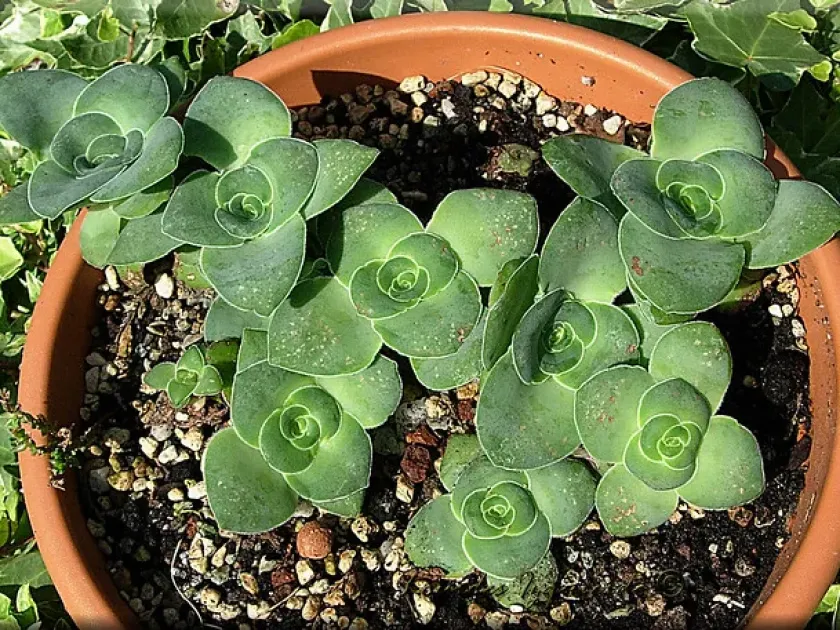
Description
Growing requirements
Crassula graeseri is a perennial succulent plant belonging to the Crassulaceae family. This hybrid species is widely recognized for its aesthetic appeal, characterized by tight, compact foliage that makes it an excellent choice for indoor cultivation and rock gardens in suitable climates.
Originating from selectively bred stock derived from African species, Crassula graeseri thrives in environments that mimic its arid natural history. The plant requires bright, indirect sunlight to maintain its color and form, as low light conditions can lead to etiolation.
The soil for this succulent must be porous and well-draining to prevent water retention around the root zone. A standard cactus or succulent potting mix, enhanced with coarse sand or pumice, is the ideal choice for ensuring healthy gas exchange in the root system.
Watering requirements follow the soak-and-dry method, where the substrate is allowed to dry out completely between waterings. During the dormant winter season, water intake should be significantly reduced to prevent physiological stress and root rot.
Temperature stability is crucial for the optimal development of this species. It prefers temperatures between 18°C and 25°C during the active growth period, and a cooler environment during winter dormancy ensures the plant receives the necessary rest for spring growth.
Main diseases and pests
The most significant pest threat to Crassula graeseri is the mealybug, which tends to hide in the tight clusters of leaves. Regular monitoring and physical removal or treatment with appropriate pesticides are necessary to control these infestations before they spread.
Root rot, a fungal-based issue, is almost exclusively caused by overwatering or poor drainage. If the stems become mushy or discolored, immediate repotting and the removal of compromised roots are required to save the plant from decline.
Spider mites may occasionally occur if the environment is too dry and stagnant. Maintaining good air circulation is the best preventive measure, although systemic miticides can be employed if an infestation is detected on the foliage.
Leaf drop can be a sign of both stress and disease, often triggered by sudden changes in temperature or incorrect watering cycles. Observing the plant's response to environmental changes helps in adjusting cultural practices to maintain plant health.
To ensure the longevity of the plant, quarantine any new additions to your succulent collection to prevent the introduction of pests. Maintaining a clean growing area by removing fallen leaves and debris is a fundamental aspect of effective disease management.